7 tips for maintaining normal blood pressure
You often hear about blood pressure, but why is it really so important? The pressure at which your heart pumps blood through your body tells a lot about your overall health. In this blog, you'll discover what normal blood pressure is, how it changes with age, and get 7 practical tips for maintaining good blood pressure.
What is normal blood pressure?
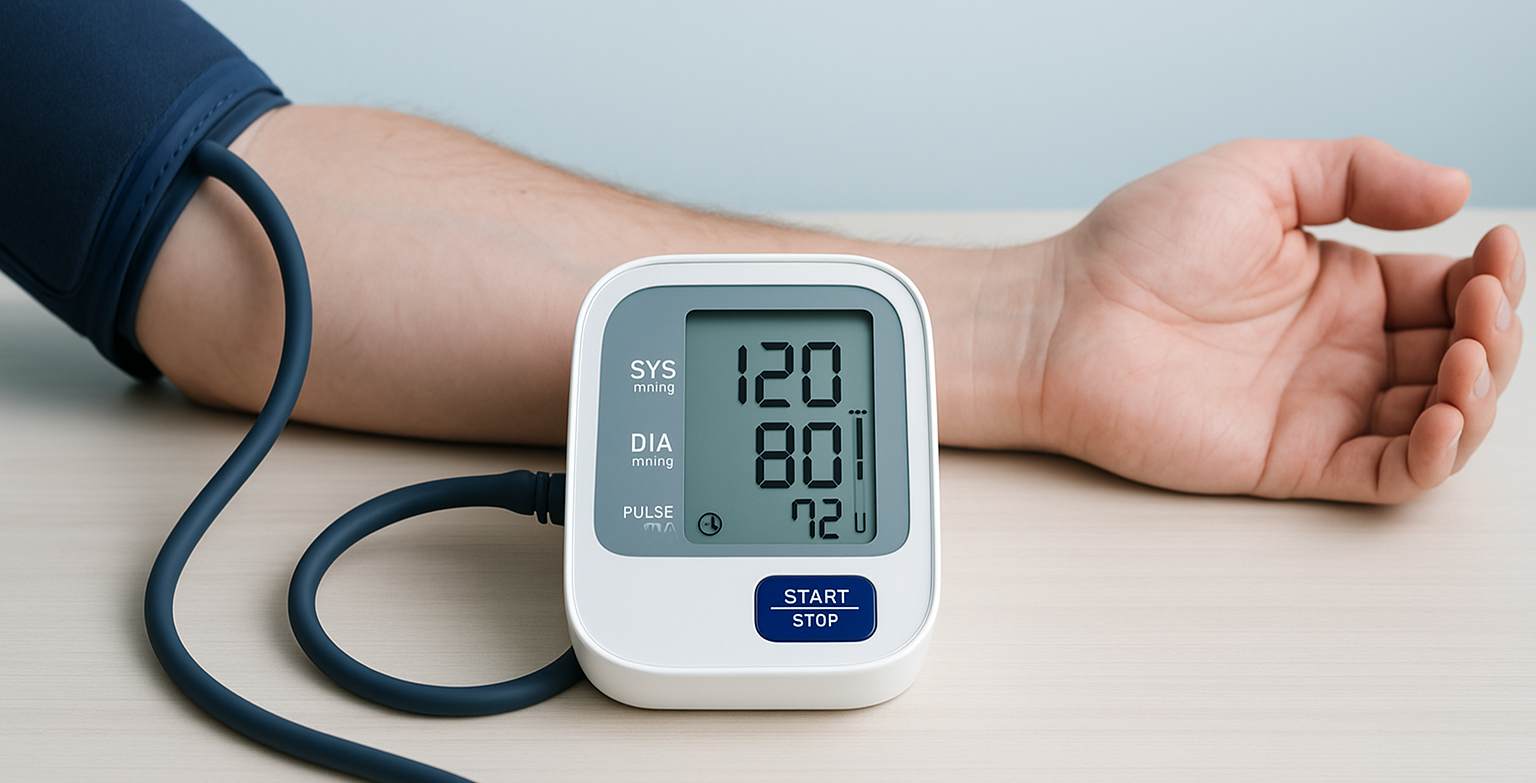
Your blood pressure is expressed in two numbers, for example 120/80 mmHg. The first number (the upper pressure) measures the pressure when your heart contracts to pump blood around. The second number (the negative pressure) measures the pressure at rest between heartbeats.
In general, a blood pressure below 120/80 mmHg is the goal. Are you between 120/80 and 140/90 mmHg? Then you have hypertension. If the values are above 140/90 mmHg, then we speak of high blood pressure.
What is good blood pressure by age?
As you age, your blood vessels change. They become somewhat less elastic, which naturally causes blood pressure to rise slightly. That's why there are different guidelines for each age group:
- 18-40 years: for young adults, healthy blood pressure is below 120/80 mmHg
- 40-60 years: in the middle years, your blood pressure may reach 135/85 mmHg
- 60+ years: are you over 60? Then a blood pressure up to 140/90 mmHg is still fine
7 tips for healthy blood pressure
A normal blood pressure starts with a healthy lifestyle. These 7 tips will help you maintain your blood pressure naturally:
1. Start exercising more often
One of the best ways to keep your blood pressure normal is to exercise! Your heart becomes stronger and works more efficiently - so it needs less power to pump blood around. Just 30 minutes of walking, cycling or swimming a day will make a big difference. Don't have time for a whole session? Then divide it into short 10-minute blocks.
2. Go through life salt conscious
That potato chip, that ready meal or that cheese sandwich: they all consist of salt that traps fluid in your body and drives up your blood pressure. Most people unknowingly ingest twice as much salt as is healthy. Try to choose fresh, unprocessed foods. And choose herbs and spices instead of salt more often.
3. Eat potassium-rich foods
While sodium raises your blood pressure, potassium actually helps maintain normal blood pressure.* So fortify your meals with potassium-rich foods such as bananas, potatoes with skin, avocados and spinach. A fruit smoothie with banana or a salad with avocado are delicious ways to get more potassium.
4. Handle alcohol wisely
A glass of red wine with dinner can be enjoyable, but keep it limited. Drinking too much alcohol increases your blood pressure. Try to stick to the guideline of no more than one glass a day for women and two for men. Also, consciously plan alcohol-free days in your week. Your heart as well as your blood pressure will thank you!
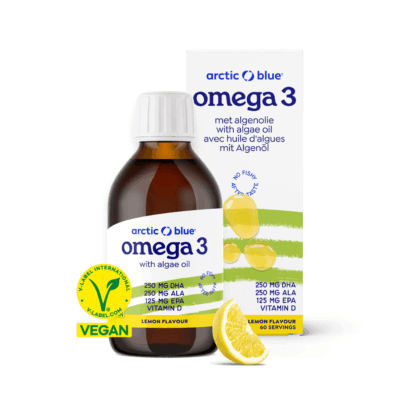
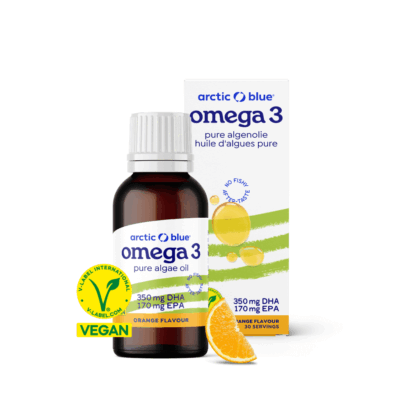
5. Take omega-3 fatty acids
What is the connection between omega 3 and your blood pressure? EPA and DHA, the valuable omega-3 fatty acids from oily fish, help maintain normal blood pressure,* so put salmon, mackerel or herring on the menu a few times a week. Grilled salmon with a fresh salad, a mackerel salad for lunch, or herring as a snack - vary and enjoy!
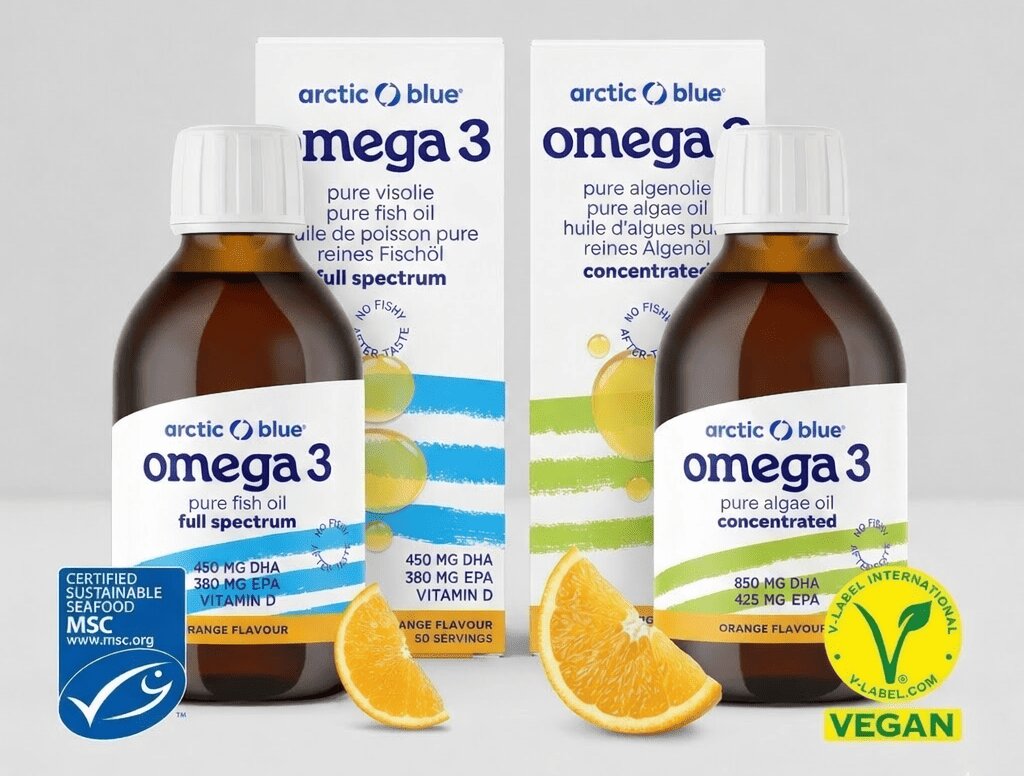
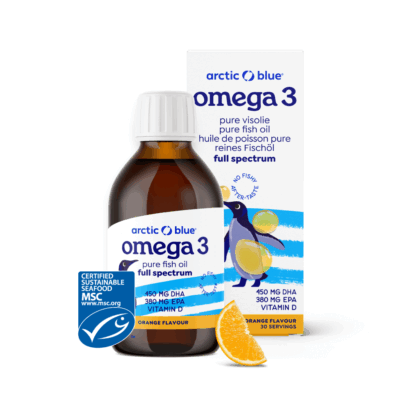
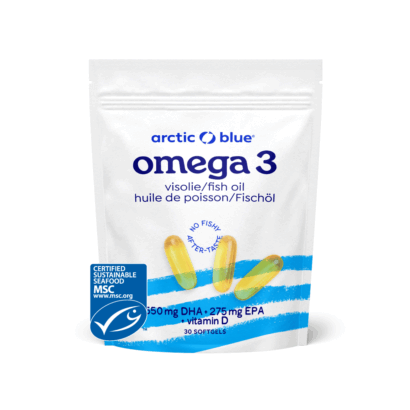
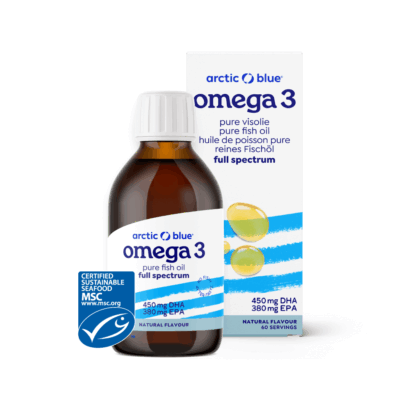
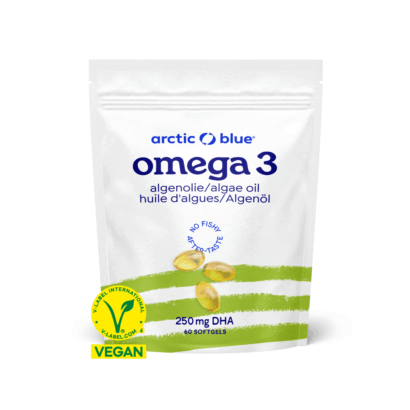
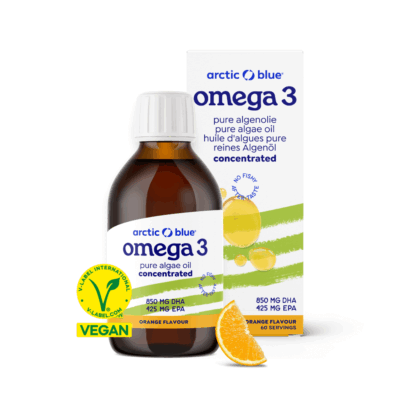
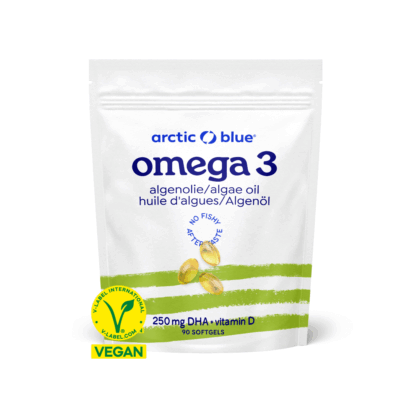
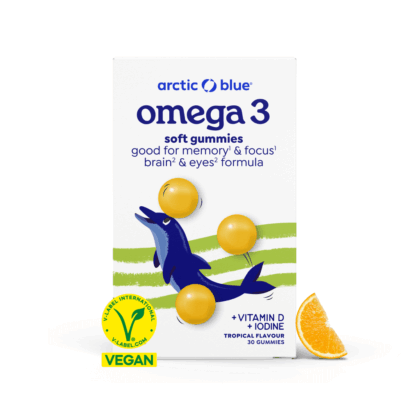
Can't get to two fish meals a week? Then a supplement with omega 3 is a valuable addition.
6. Reduce stress
Stress is part of life, but prolonged stress can raise your blood pressure significantly. Learn to recognize when you are tense and consciously build in moments of relaxation. Perhaps meditation will help, or a brisk walk in nature. For others, listening to music or spending time with friends works better.
7. Find your ideal weight
Each extra pound makes it harder for your heart to pump blood around. Good news: you don't have to lose 10 pounds right away to see an effect. Even a modest 5-10% weight loss can significantly lower your blood pressure. Focus mainly on gradual changes that you can sustain.
In conclusion, good blood pressure starts with small steps
Your blood pressure tells a lot about how your body is doing. The beauty is: you have influence! Every walk, healthy meal and moment of relaxation can make a difference to your blood pressure. These tips will put you in control. Start today with one small step; your body will thank you!
*Approved EFSA health claims. The beneficial effect of omega-3 fatty acids is obtained with a daily intake of 3 grams of EPA and DHA. The daily intake of EPA and DHA together should not exceed 5 grams. Potassium contributes to the maintenance of normal blood pressure with adequate dietary intake.