The Mediterranean diet dissected: what makes it so good?

Olive oil, fresh vegetables, fish and a glass of red wine: it sounds like vacation by the Mediterranean. Yet the Mediterranean diet is much more than just good food. It is considered by many experts to be one of the healthiest diets in the world. But what makes this way of eating so special? And how can you apply it yourself in your daily life?
What is the Mediterranean diet?
The Mediterranean diet comes from countries around the Mediterranean Sea, such as Greece, Italy and Spain. These countries are also home to many "Blue Zones," areas where people live remarkably long and healthy lives. A Mediterranean diet is not about a strict diet with strict rules, but a lifestyle that has been passed down for generations.
The base consists of:
- Lots of fresh fruits and vegetables;
- Whole grain cereals;
- Legumes, nuts and seeds;
- Good fats (especially olive oil);
- Fish regularly (especially oily fish such as salmon and sardines);
- In moderation poultry and eggs;
- Little red meat and sugars;
- Sometimes a glass of red wine with a meal.
Why is the Mediterranean diet so popular?
The Mediterranean diet is one of the most researched diets in the world. But what makes this way of eating so special?
1. Rich in good fats
Mediterranean cuisine is all about the right fats. Oily fish such as sardines, mackerel and salmon are rich in omega-3 fatty acids EPA and DHA. These valuable fatty acids contribute to normal heart function.*
In addition, olive oil plays a leading role as a daily source of fat. Not only does it contain monounsaturated fatty acids, but olive oil phenols also help protect blood lipids from oxidative damage.* Nuts and seeds are also important suppliers of healthy fats in this diet.
2. Packed with antioxidants
Mediterranean cuisine is bursting with fresh fruits and vegetables. These foods are full of vitamins, minerals and natural antioxidants. Think tomatoes full of lycopene, broccoli rich in glucosinolates and berries with their purple anthocyanins. By eating many different colors of fruits and vegetables, you get a broad spectrum of these nutrients.
3. Source of fiber
The Mediterranean diet consists of many high-fiber foods: whole grains, legumes, vegetables and fruits. Think of a rustic brown sandwich with hummus, a big salad with chickpeas, or a bowl of whole wheat pasta with seasonal vegetables. These foods have been the staples of Mediterranean cuisine for centuries.
4. Less processed food
The Mediterranean diet emphasizes fresh, unprocessed ingredients. By eating less processed foods, you automatically get less added sugars, salt and unhealthy fats. Instead, you enjoy the natural flavors of fresh ingredients, enriched with herbs and spices (which again provide additional health benefits).
5. More than just food
The Mediterranean diet is about more than what's on your plate. It is about a complete lifestyle. In Mediterranean countries, people take time to enjoy their meals, often in the company of family and friends. A lunch can take as long as two hours! In addition, they exercise a lot in daily life; a walk after dinner is very common.
How do you apply the Mediterranean diet in your daily life?
You don't have to live by the Mediterranean to eat Mediterranean food. Start with small, simple steps. Use extra virgin olive oil a little more often in your kitchen for salads or over your vegetables. In addition, add a little more color to your plate with at least 5 fruits and vegetables a day. Mix legumes such as chickpeas and lentils into your meals more often, and choose whole grain products instead of white pasta, rice and bread.
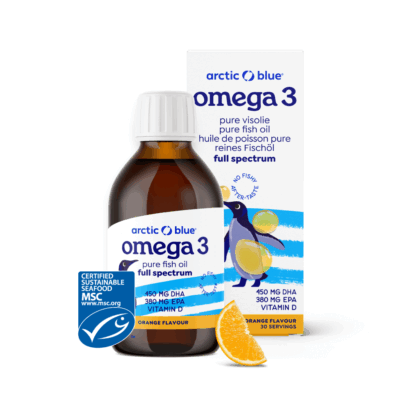
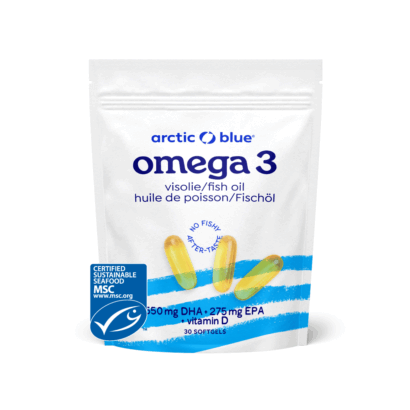
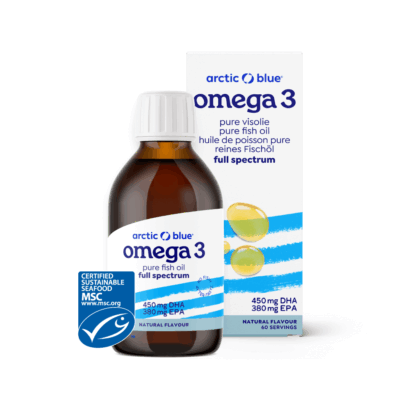
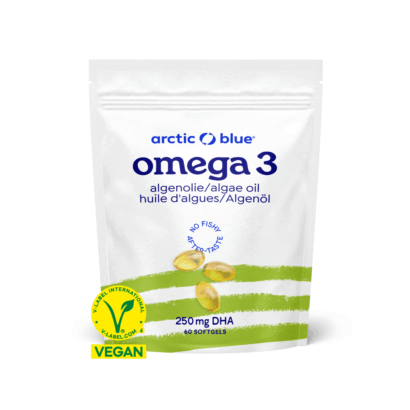
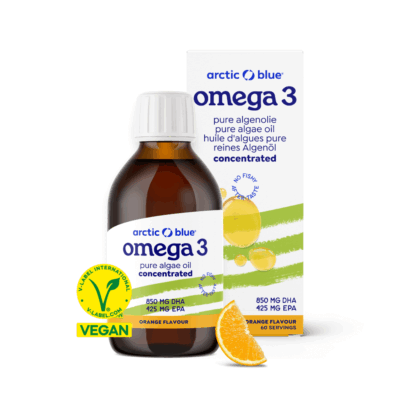
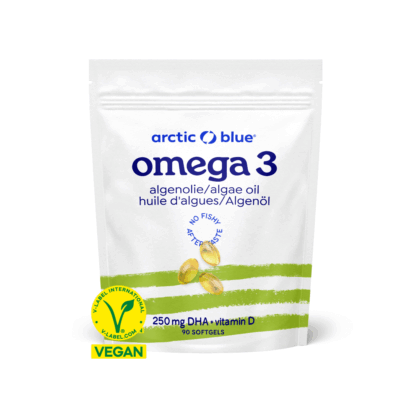
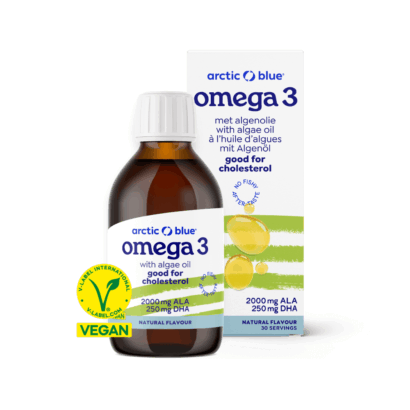
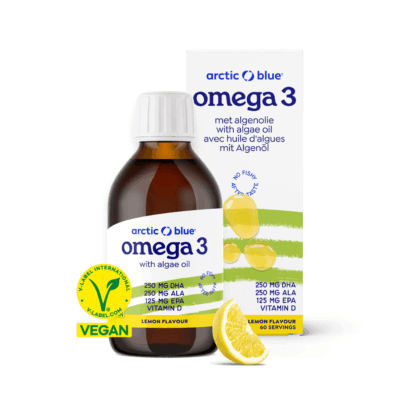
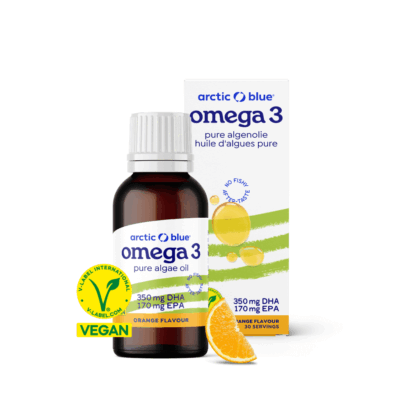
Also try to eat fish more often, especially oily species such as salmon, sardines and mackerel that are rich in omega-3 fatty acids. Can't manage to eat oily fish weekly? Then an omega-3 supplement can be a useful addition to your diet. At the same time, limit red meat to about once a week and reduce processed foods. And perhaps most importantly, take the time to eat together and enjoy it.
*Approved EFSA health claims. The beneficial effect for heart function is obtained with a daily intake of 250 mg EPA and DHA. The beneficial effect of olive oil phenols is obtained with a daily intake of 20 g of olive oil. The daily intake of EPA and DHA together should not exceed 5 g.