Why is vitamin D important for children?

Vitamin D is a unique vitamin. That’s because our bodies can produce it on their own when exposed to sunlight. Unfortunately, in the Netherlands, this isn’t always possible for much of the year. The sun shines less frequently, especially in the fall and winter.
Vitamin D is especially important for children because their bodies are still developing. In this article, we explain why vitamin D is important for children, how much they need, where vitamin D comes from, and when taking a supplement might be a good idea.
Why do children need vitamin D?
For children up to 3 years of age, a daily supplement of 10 micrograms of vitamin D is recommended. Vitamin D remains important even after that age, especially during periods of limited sunlight (such as in the winter), for people with darker skin tones, or when the skin is covered by clothing.
Vitamin D plays an important role in several processes in a child’s body. Among other things, it:
- Essential for the normal growth and development of children's bones*
- Helps maintain strong bones and teeth*
- Supports normal muscle function*
- It also contributes to the normal functioning of children’s immune systems*
- Finally, vitamin D contributes to the normal absorption and utilization of calcium and phosphorus*

Don't children get enough vitamin D from playing outside?
Vitamin D is also known as the "sunshine vitamin." About 90% of our vitamin D is produced naturally in the skin when exposed to sunlight. Only 10% comes from food.
From May through September, a child can produce enough vitamin D:
- between 11:00 a.m. and 3:00 p.m.
- if your child plays outside for at least half an hour
- with exposed skin (hands/face)
From October through April, the sun in the Netherlands isn't strong enough. During this period, the skin produces virtually no vitamin D, even with plenty of outdoor play.
For children up to 4 years old, supplemental vitamin D is recommended year-round. This also applies to children with olive or dark skin, or when they wear a lot of covering clothing. In such cases, it doesn’t matter how much they play outside.
Vitamin D in food: where can you find it?
Most of our vitamin D is produced in the skin and does not come from our diet. Very few foods naturally contain vitamin D. The main sources are:
- Fatty fish such as salmon, herring, mackerel, and sardines
- Organ meats such as liver
- It is often added to low-fat margarine and cooking and frying products.
- Some egg yolks
- Some fish oils
Many children prefer fish sticks to fatty fish or organ meats. As a result, it is often difficult to get enough vitamin D from food alone.
How much vitamin D does my child need?
The Netherlands Nutrition Centre recommends the following daily intake of vitamin D for children:
- Children ages 0 to 3: 10 micrograms per day
- Children ages 4 and up: 10 micrograms a day if they
- spending little time outdoors (less than 15 minutes a day)
- have a darker skin tone
- or wear clothing that covers most of the body
In practice, many children, especially in the fall and winter, benefit from extra vitamin D.

Vitamin D for babies
Babies need extra vitamin D and vitamin K after birth. You should start giving your baby vitamin D when they are about a week old. Even if your baby is fed formula with added vitamin D, it is still recommended to give a supplement. This is because the amount of formula changes as your child grows. By adding vitamin D as a standard practice, you can be sure your child is getting enough every day. The combination of vitamin D from formula and a supplement remains well within the safe upper limit.
When am I giving my child too much vitamin D?
The following safe upper limits apply to vitamin D:
- Up to 1 year of age: up to 25 micrograms per day
- Ages 1 to 10: up to 50 micrograms per day
- Ages 11 to 17: up to 100 micrograms per day
- 18 years and older: up to 100 micrograms per day
These values have been established by the Netherlands Nutrition Centre and provide ample safety margins.
In practice, vitamin D toxicity is virtually unheard of in healthy people. It can only occur with long-term use of high doses well above the recommended daily allowance.
Even significant exposure to sunlight does not pose a risk of vitamin D overdose. This is because the skin regulates its own production and automatically stops once enough vitamin D has been produced.

Vitamin D combined with omega-3
Fatty fish is one of the few foods that naturally contains both omega-3 fatty acids and vitamin D. That’s why this combination makes sense in supplement form as well.
Vitamin D is fat-soluble and is better absorbed when taken with fat. Vitamin D is therefore best absorbed when taken with omega-3 oil, especially when the supplement is taken during or after a meal.
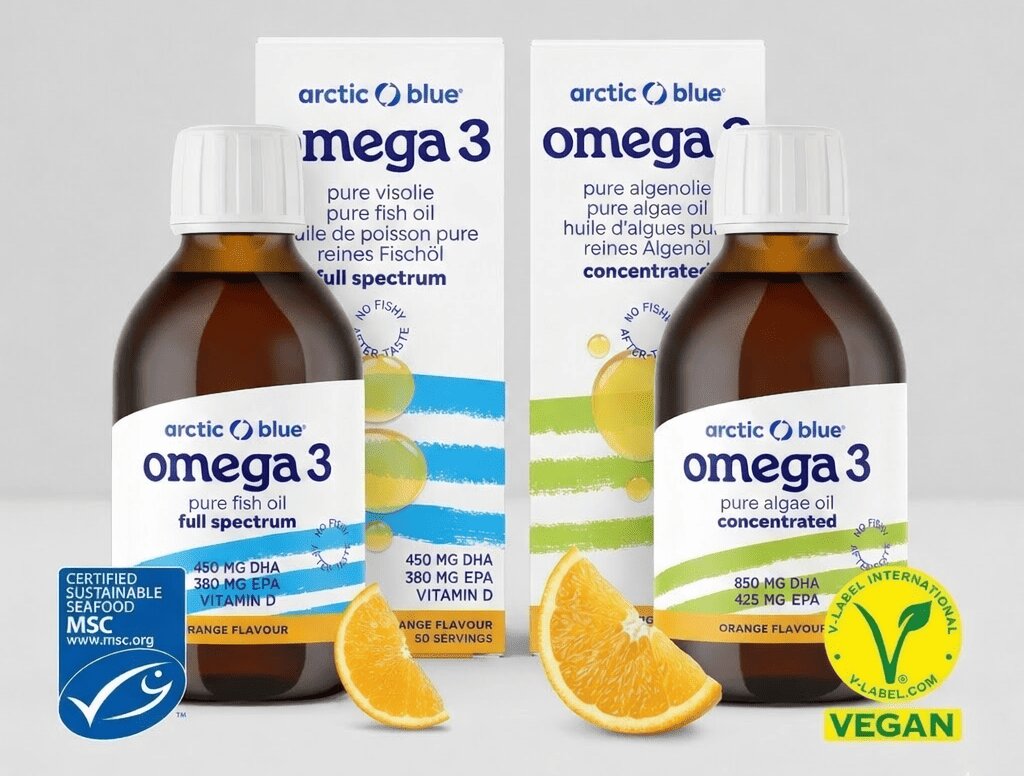
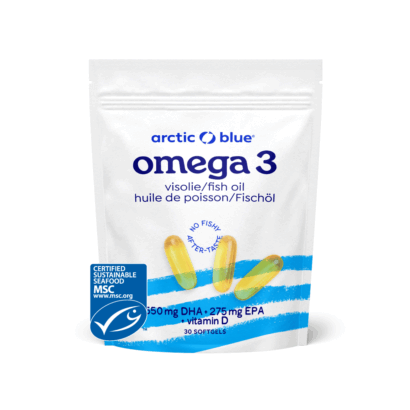
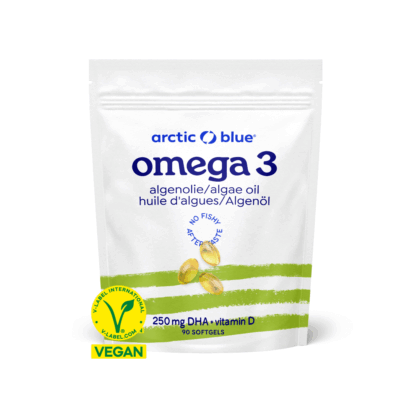
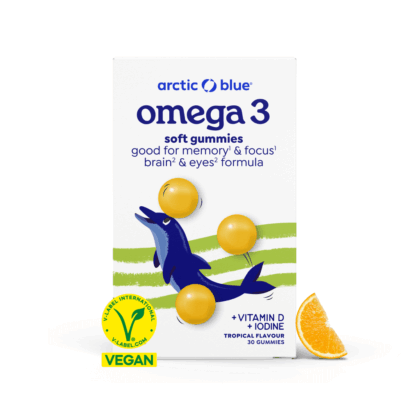
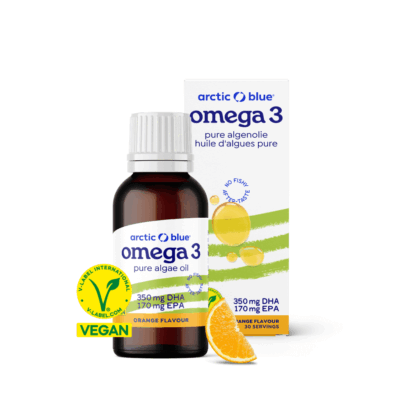
For this reason, some Arctic Blue contain omega-3 with added vitamin D, always formulated to meet the recommended daily intake of 10 micrograms and in the easily absorbed form of vitamin D3 (cholecalciferol).
Depending on your preferences and age, there are several options:
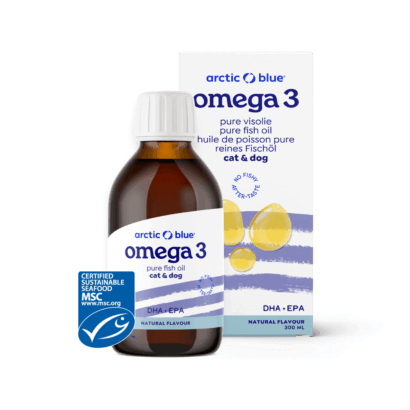
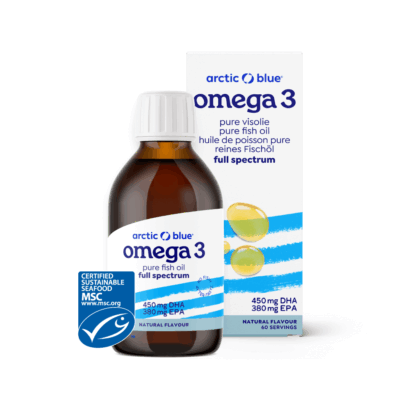
- Fish oil for children – liquid and mild-tasting
- Omega-3 gummies – easy to take
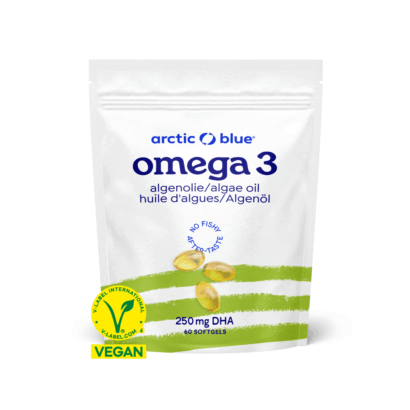
- Vegan omega-3 gummies – made with algae oil
This way, every family can choose what works best for their daily routine.
In conclusion: Do children need extra vitamin D?
Because sunlight in the Netherlands is insufficient for much of the year and vitamin D is scarce in the diet, many children do not get enough of it. A supplement can therefore be a safe and effective way to make up for this, especially during the fall and winter months.
By choosing an omega-3 product with added vitamin D, you combine two important fat-soluble nutrients into a single daily routine.
Check out our omega-3 products with vitamin D, specially formulated for children.
About Arctic Blue Vitamin D for Children
At Arctic Blue is all about making reliable information about omega-3 and vitamin D accessible, so that you, as a parent, can make an informed choice for your child. Every day, our nutrition specialists delve into the composition, bioavailability, and quality of fat-soluble nutrients, such as vitamin D3 and omega-3 fatty acids. We translate that knowledge into products and clear explanations, such as in this article about vitamin D for children.
Our products combine omega-3 with vitamin D in easily absorbable forms, tailored to the recommended daily intake for children. Purity and origin are our top priorities, so you can be sure of what you’re giving your child.
Want to make this a simple part of your daily routine? On the product pages, you can sign up for a subscription so you’ll never run out. Not sure which product is best for your child? Use the product selector to quickly find the right omega-3 with vitamin D, tailored to your child’s age and preferences.
*Approved EFSA health claims.