Low blood pressure: When is it a problem, and what can you do about it?

Do you sometimes feel dizzy when you stand up? Or do you often feel tired for no apparent reason? If so, you may have low blood pressure. The good news is that in most cases, this isn’t a cause for concern at all. In fact, low blood pressure is often seen as a sign of a healthy heart. In this blog post, you’ll learn when low blood pressure can be a problem and what you can do about it.
What is low blood pressure?
Your blood pressure is expressed as two numbers, such as 90/60 mmHg. The first number is the systolic pressure (when your heart contracts), and the second number is the diastolic pressure (when your heart is at rest).
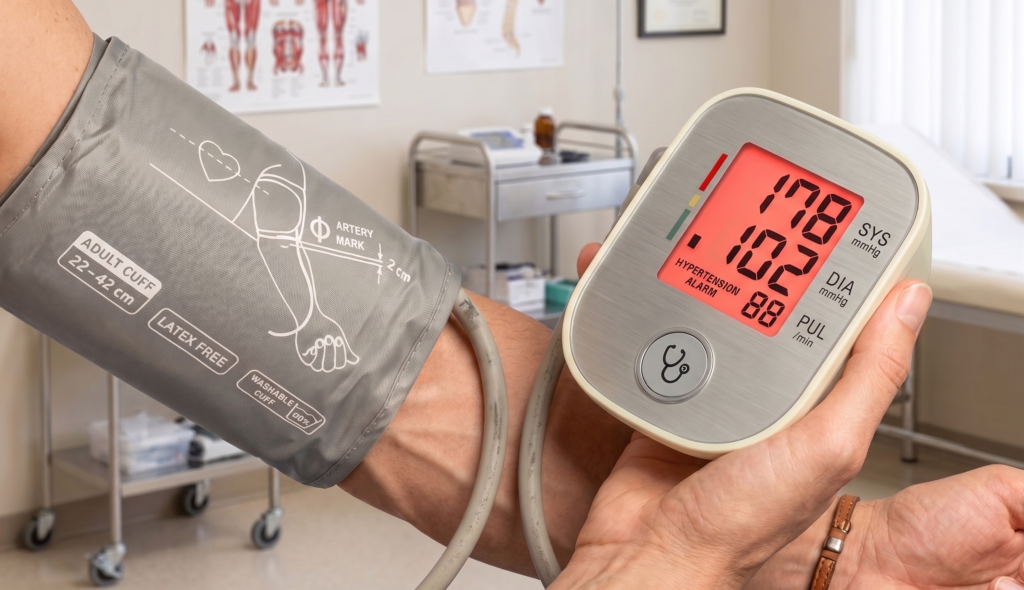
Blood pressure is considered low when readings are below 90/60 mmHg. But this number alone doesn’t tell the whole story. Many people naturally have low blood pressure and feel perfectly fine. In fact, low blood pressure is often a sign that your heart is healthy and doesn’t have to work too hard. Many athletes and young, slender people have this. It only becomes a problem if it causes symptoms, such as dizziness when standing up. Fatigue can also be related to low blood pressure, but of course, it can have other causes as well.

Important to know
Do you have serious symptoms such as frequent fainting, chest pain, extreme fatigue, or heart palpitations? If so, see your doctor. These tips are intended for mild, everyday symptoms associated with low blood pressure and are not a substitute for medical advice.
6 practical tips for low blood pressure
Do you have low blood pressure and notice any symptoms? Or are you just curious about what you can do to raise it a bit? These lifestyle tips can help you.
1. Eat more salt
This might sound strange after all the talk about too much salt, but if you have low blood pressure, a little extra salt can actually help. Salt helps your body retain fluid—this increases your blood volume and raises your blood pressure slightly. So feel free to sprinkle a little extra salt on your meal or choose foods like olives, cheese, broth, or pickled fish more often. Don’t overdo it, but a little more salt than usual can really make a difference if you have low blood pressure.
2. Drink plenty of water
Not drinking enough fluids can lower your blood pressure. That’s why you should drink at least 1.5 to 2 liters of water a day, and more if you exercise or if it’s hot outside. A large glass of water in the morning, in particular, can help raise your blood pressure. Do you feel dizzy or weak? Drink some water right away and see if it helps. Some people notice that they feel better immediately after drinking a glass of water. Keep a bottle of water handy so you don’t forget.
3. Get up slowly
That dizziness when you stand up has a name: orthostatic hypotension. Your blood pressure drops too quickly for a moment. You can prevent this by getting up slowly from bed or the couch. Sit on the edge of your bed for a moment before standing up. Count to ten, and only then stand up. Have you been sitting at your desk for a long time? Then stand up slowly and wait a moment before walking. It only takes a few extra seconds, but it really makes a difference in terms of dizziness.
4. Wear compression stockings
Compression stockings help blood flow more easily from your legs back to your heart, which helps keep your blood pressure more stable. Do you stand or sit a lot during your work? Then compression stockings are worth trying. They apply gentle pressure to your legs, helping your blood circulate better. Ask at the pharmacy which size and compression class is best for you. It might feel a bit tight at first, but you’ll get used to it quickly.
5. Eat smaller meals more often
Large meals can temporarily lower your blood pressure because your body sends a lot of blood to your stomach to aid digestion. Do you recognize that unpleasant slump after eating? If so, try eating 5–6 small meals a day instead of 3 large ones. For example, start your day with a light breakfast, have a snack around 10 a.m., keep lunch light, and eat a normal portion in the evening. This will help keep your blood pressure more stable throughout the day.
6. Try some caffeine
A cup of coffee or tea can temporarily raise your blood pressure slightly. This effect hasn’t been officially confirmed, but it’s often experienced by people with low blood pressure. Caffeine causes blood vessels to constrict slightly, which raises your blood pressure. Many people find that they feel more energetic after a cup of coffee. Don’t overdo it, and definitely don’t drink it right before bedtime. One or two cups a day is enough.
7. Choose healthy foods
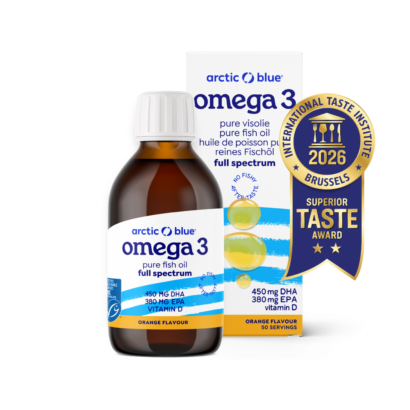
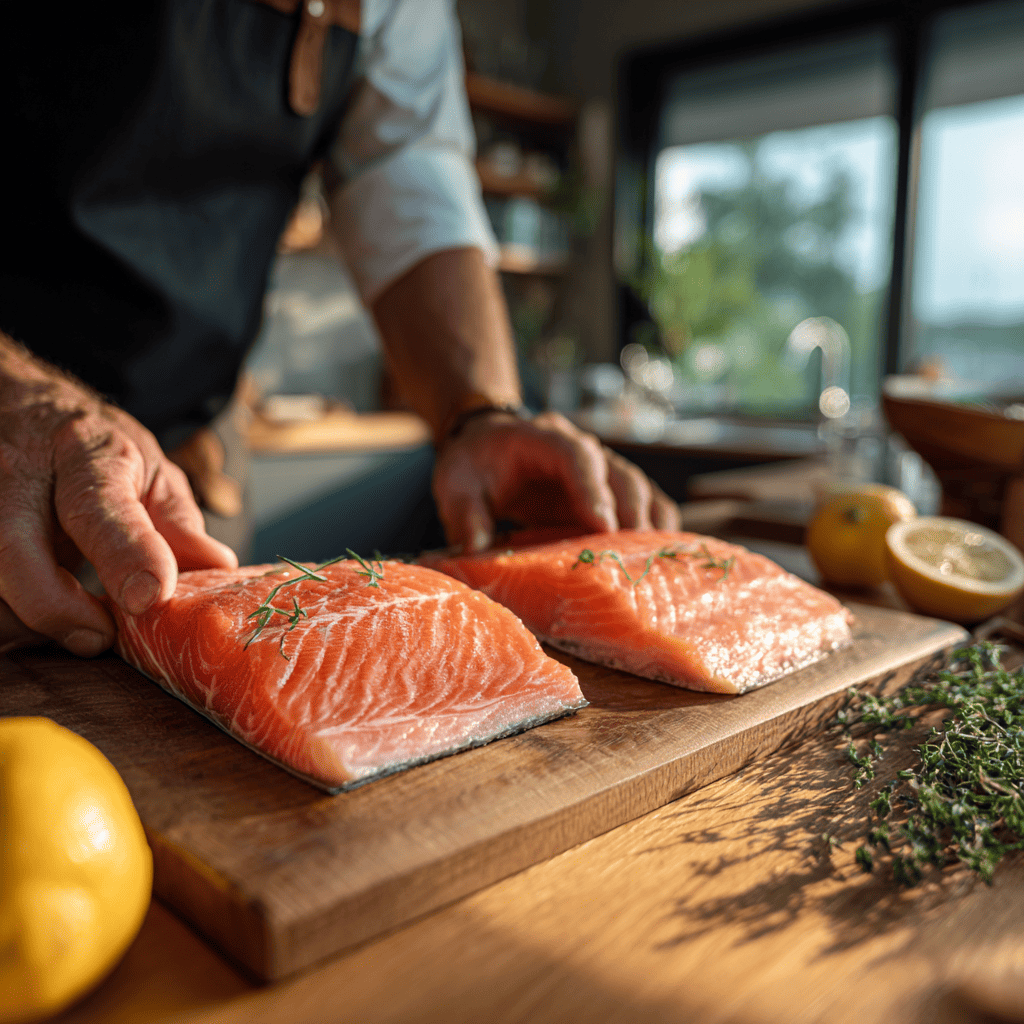
In addition to these tips, your diet is also important. Eat a varied diet with plenty of vegetables, fruits, whole-grain products, and healthy fats. Fatty fish such as salmon, mackerel, or herring are a great addition to your diet. These fish contain omega-3 fatty acids, and EPA and DHA contribute to normal heart function*. They also help maintain normal blood pressure*. So try to eat fatty fish a few times a week. Want to learn more? Read here: What is omega-3?
Want more tips on how to get your blood pressure back to normal? Read: 7 Tips for Maintaining Normal Blood Pressure
Frequently Asked Questions About Low Blood Pressure
How low can blood pressure be?
Blood pressure below 90/60 mmHg is generally considered low blood pressure. This doesn’t have to be a problem if you don’t have any symptoms. If you do experience dizziness, fainting, or extreme fatigue, contact your doctor.
What should you do if your blood pressure is too low?
If your symptoms are mild, it may help to drink plenty of water, get up slowly, and eat smaller meals more frequently. Adding a little more salt to your diet can sometimes help raise your blood pressure slightly. If your symptoms are severe or recurring, it’s a good idea to consult your doctor.
What should you eat or drink if you have low blood pressure?
Drink plenty of water, preferably 1.5 to 2 liters a day. Foods such as broth, olives, cheese, or pickled fish can also help due to their salt content. In addition, continue to eat a varied diet that includes vegetables, fruits, whole-grain products, and healthy fats.
Conclusion: Low blood pressure is not necessarily a cause for concern
For most people with low blood pressure, it’s nothing to worry about—it’s just a natural part of your body. It only becomes a problem if it starts to bother you. If that happens, try one or two tips from this blog and see what works for you. For example, drink a little more water throughout the day, add a little extra salt to your food, or simply get up more slowly from bed or the couch. If, after a few weeks, you notice that it isn’t helping or your symptoms are actually getting worse, talk to your doctor.

Arctic Blue: A Passion for Your Health
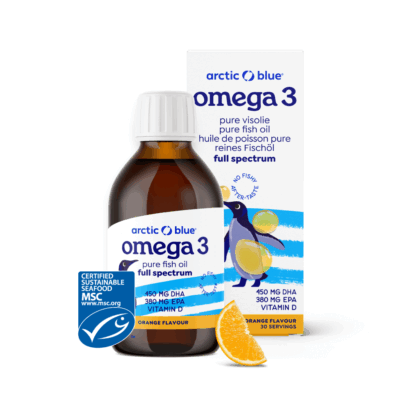
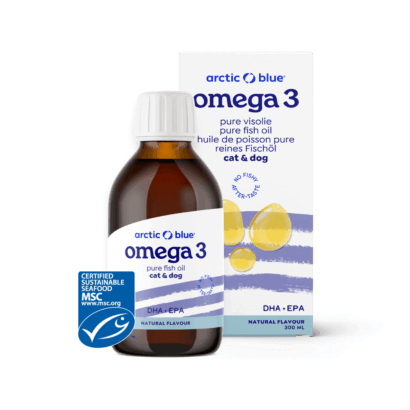
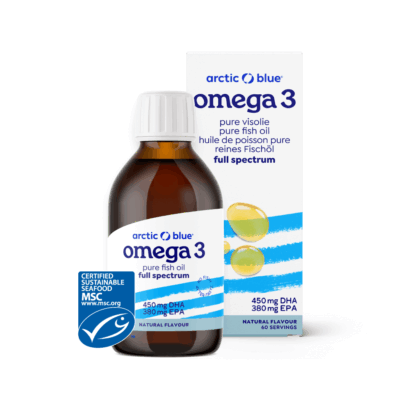
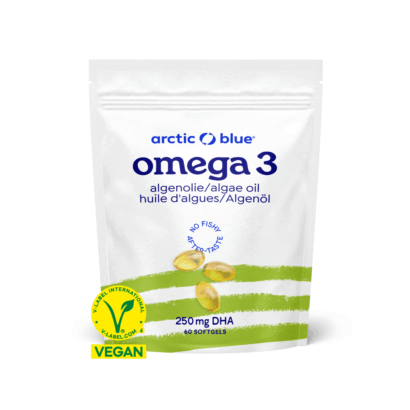
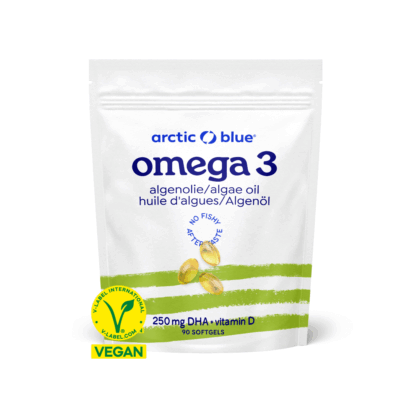
At Arctic Blue , quality, purity, and sustainability are our top priorities. Our omega-3 products contain easily absorbed EPA and DHA from MSC-certified fish oil or plant-based algae oil.
Even if you have low blood pressure, maintaining a healthy lifestyle remains important: drink plenty of fluids, eat a varied diet, and take good care of your heart. The omega-3 fatty acids EPA and DHA support normal heart function*, and with our flexible subscription plans, you can easily make omega-3 a part of your daily routine.
*Health claim approved by the EFSA. EPA and DHA contribute to normal heart function when consumed at a daily intake of 250 mg of EPA and DHA. The beneficial effect of omega-3 fatty acids on blood pressure is obtained with a daily intake of 3 grams of EPA and DHA. The combined daily intake of EPA and DHA should not exceed 5 grams.