Alpha-linolenic acid (ALA) in omega-3: how it fits into a complete fatty acid profile
When you start looking into omega-3, you’ll quickly come across several abbreviations: EPA, DHA, and ALA omega-3. These abbreviations stand for different types of omega-3 fatty acids. But what exactly is ALA? And how does it fit into a healthy fatty acid profile?
What exactly is alpha-linolenic acid?
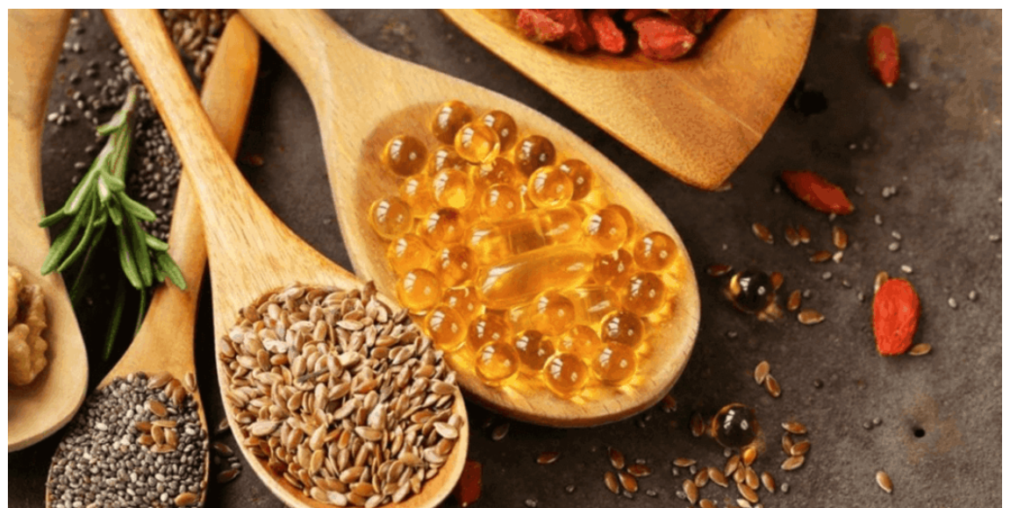
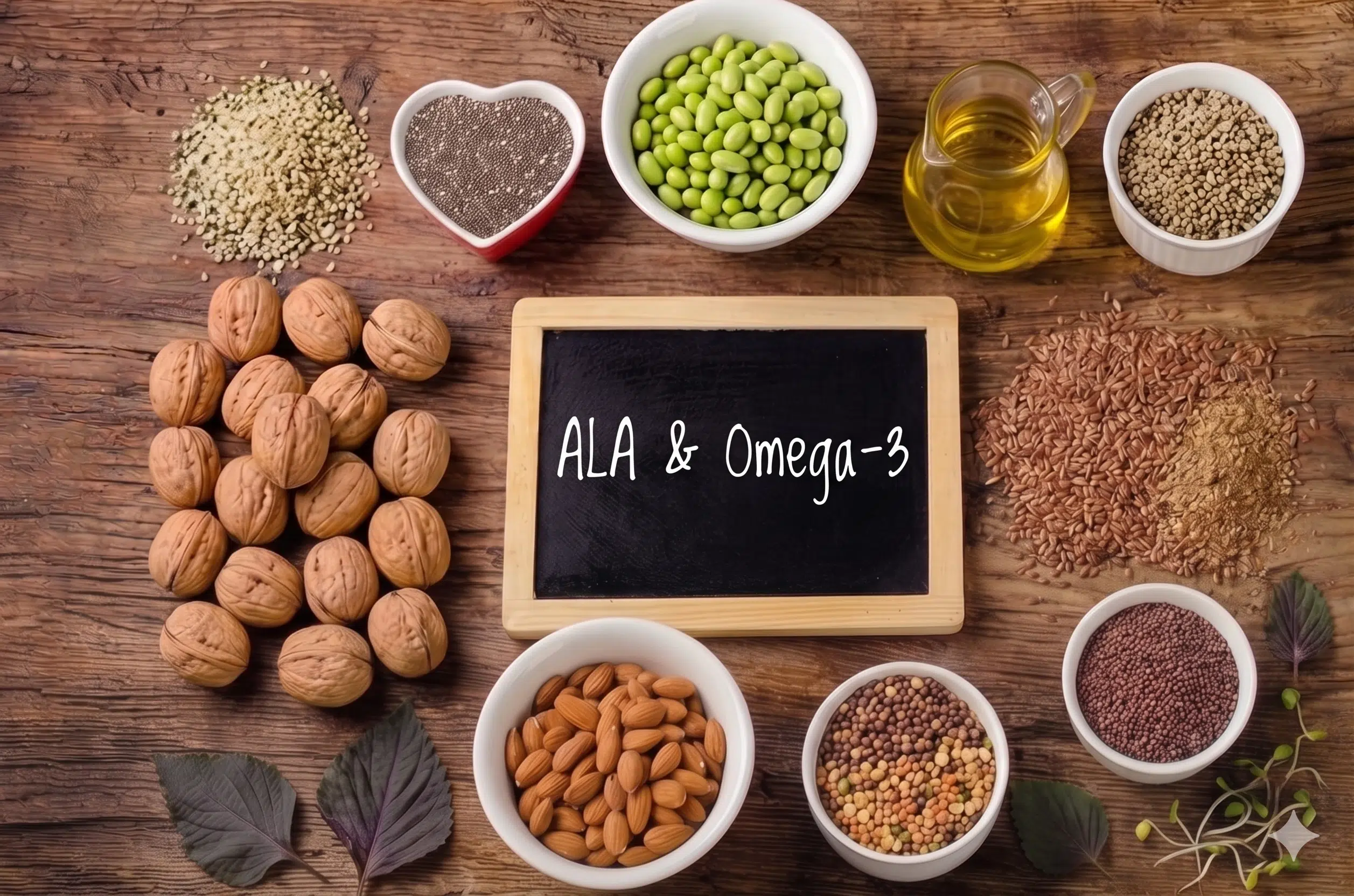
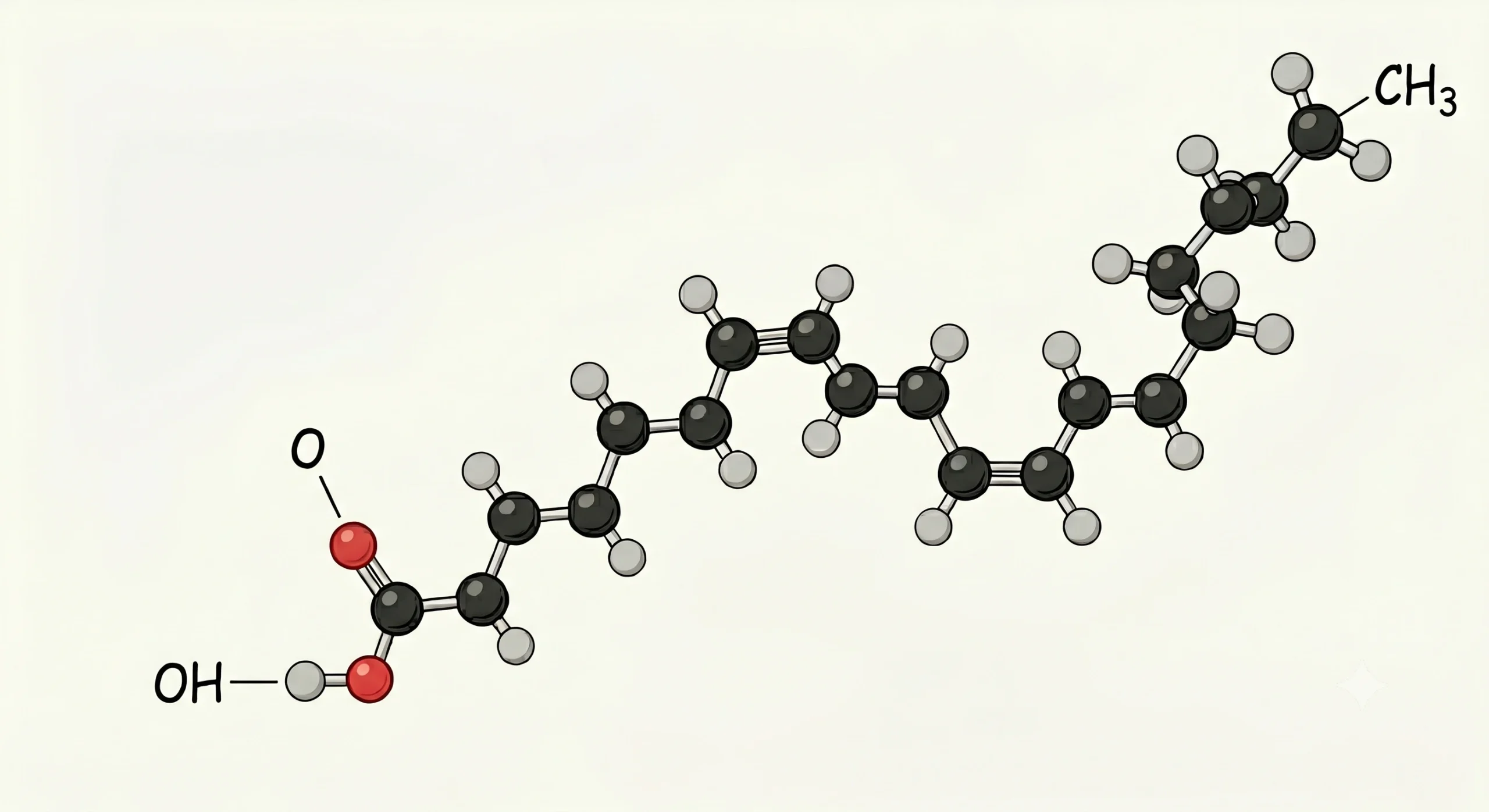
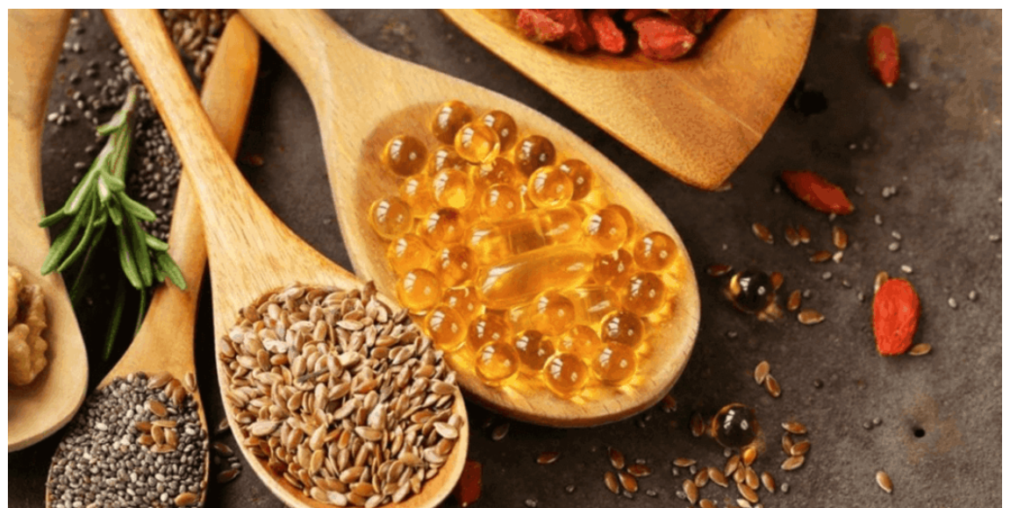
Alpha-linolenic acid (ALA) is a plant-based omega-3 fatty acid found primarily in flaxseed, chia seeds, walnuts, and certain vegetable oils. Unlike EPA and DHA from fish, ALA comes from plant sources.
ALA is an essential fatty acid. This means that your body cannot produce it on its own, so you must obtain it through your diet. You need it for various processes in your body, from energy production to the synthesis of other fatty acids.
The difference between ALA, EPA, and DHA
Although ALA, EPA, and DHA are all three omega-3 fatty acids, they function differently in your body. EPA and DHA are long-chain omega-3 fatty acids that can be used immediately. You’ll find them mainly in fatty fish and algae. Be sure to check out the blog post on EPA and DHA if you’re curious about these fatty acids.
ALA is a short-chain omega-3 fatty acid. Your body can convert ALA into EPA and then into DHA, but this process is very inefficient. Only 5–10% of ALA is converted into EPA, and even less—about 2–5%—becomes DHA. This means you need a lot of ALA omega-3 to get enough EPA and DHA.
Why does ALA receive less attention?
When people talk about omega-3, the conversation often turns to EPA and DHA. These fatty acids are good for the heart*, and DHA is good for the brain*. DHA also helps maintain normal vision*. These claims are directly linked to the reasons people seek out omega-3: heart, brain, and eyes.
The health claims for ALA are different: ALA helps maintain normal blood cholesterol levels*. This is an important benefit, but it receives less attention than the well-known benefits of EPA and DHA. Want to read more about cholesterol? Then read Can Omega-3 Lower Your Cholesterol? The Facts at a Glance
In addition, inefficient conversion plays a role. Since your body converts only a small portion of ALA into EPA and DHA, the focus is often on direct sources of these fatty acids.
What foods contain ALA?
Want to increase your ALA intake? These plant-based sources are valuable additions to a healthy diet. They provide not only ALA, but also fiber, minerals, and other nutrients.
- Flaxseeds and flaxseed oil are rich in ALA. Just one tablespoon of flaxseed oil provides over 7 grams of ALA. It’s great for adding to smoothies or drizzling over salads.
- Chia seeds are packed with this omega-3 fatty acid. You can easily mix them into your yogurt, oatmeal, or smoothie.
- Walnuts are another great source and are delicious as a snack or mixed into your yogurt. Just a handful a day provides you with a good amount of ALA.
- Canola oil also contains ALA and is suitable for cooking. It also has a better omega-6 to omega-3 ratio than sunflower oil.
- Hemp seeds also deserve a spot on this list. These tiny seeds contain ALA and are also a natural source of other fatty acids, such as omega-6 and omega-9. So they’re a great way to add some extra variety to your fatty acid profile.
ALA for vegetarians and vegans
If you don’t eat fish, ALA omega-3 is often the main source. Vegetarians and vegans can choose flaxseed, chia seeds, and walnuts to get their ALA. But because the conversion to EPA and DHA is so inefficient, this may not be enough.
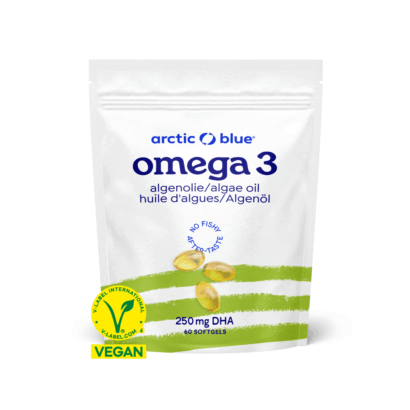
Fortunately, there are now plant-based alternatives to EPA and DHA. Algae oil contains EPA and DHA directly, without the need for fish. This is because fish also get their omega-3s from algae in their food chain. By using algae oil directly, you skip this intermediate step.
The complete fatty acid profile: the two linolenic acids
A healthy fatty acid profile isn’t just about omega-3. It’s also about the balance between different types of fats. Omega-6 fatty acids, for example, are also essential, but in the Western diet, we often consume too much omega-6 relative to omega-3.
The ideal ratio of omega-6 to omega-3 is between 1:1 and 4:1. In reality, however, this ratio is closer to 15:1 or even 20:1 for many people. This is due to the abundance of vegetable oils rich in omega-6, such as sunflower oil and soybean oil.
How do you maintain a balance?
To achieve a better balance, there are two things you can do. First, increase your omega-3 intake by eating more fatty fish or taking a supplement. Second, reduce your omega-6 intake by using fewer refined vegetable oils.
Choose oils with a better nutritional profile, such as olive oil or canola oil. Limit your intake of products containing sunflower oil, soybean oil, or corn oil. These are often hidden in ready-made meals, cookies, and other processed foods.
Combining ALA and EPA/DHA
An ideal diet combines various sources of omega-3. ALA from plant-based sources such as walnuts, flaxseed, and hemp seeds, and EPA and DHA from fatty fish or omega-3 supplements.
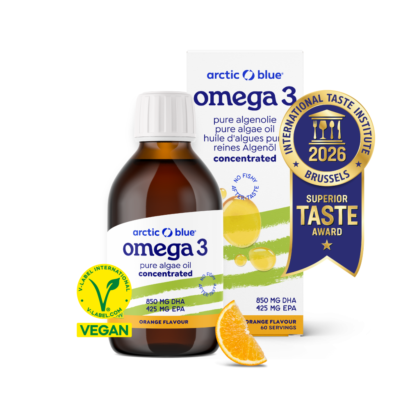
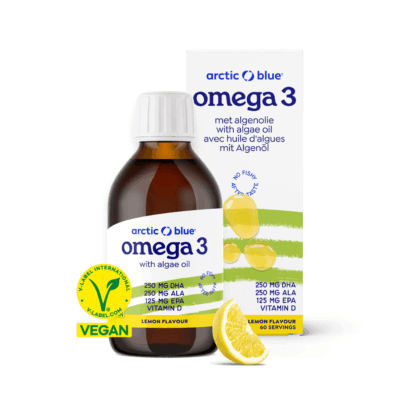
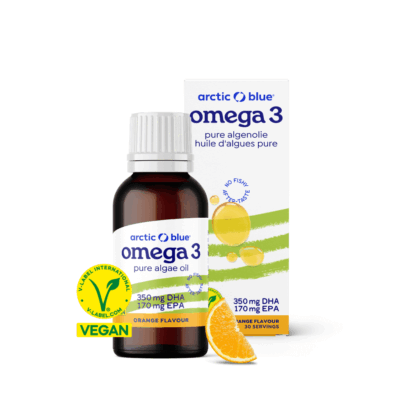
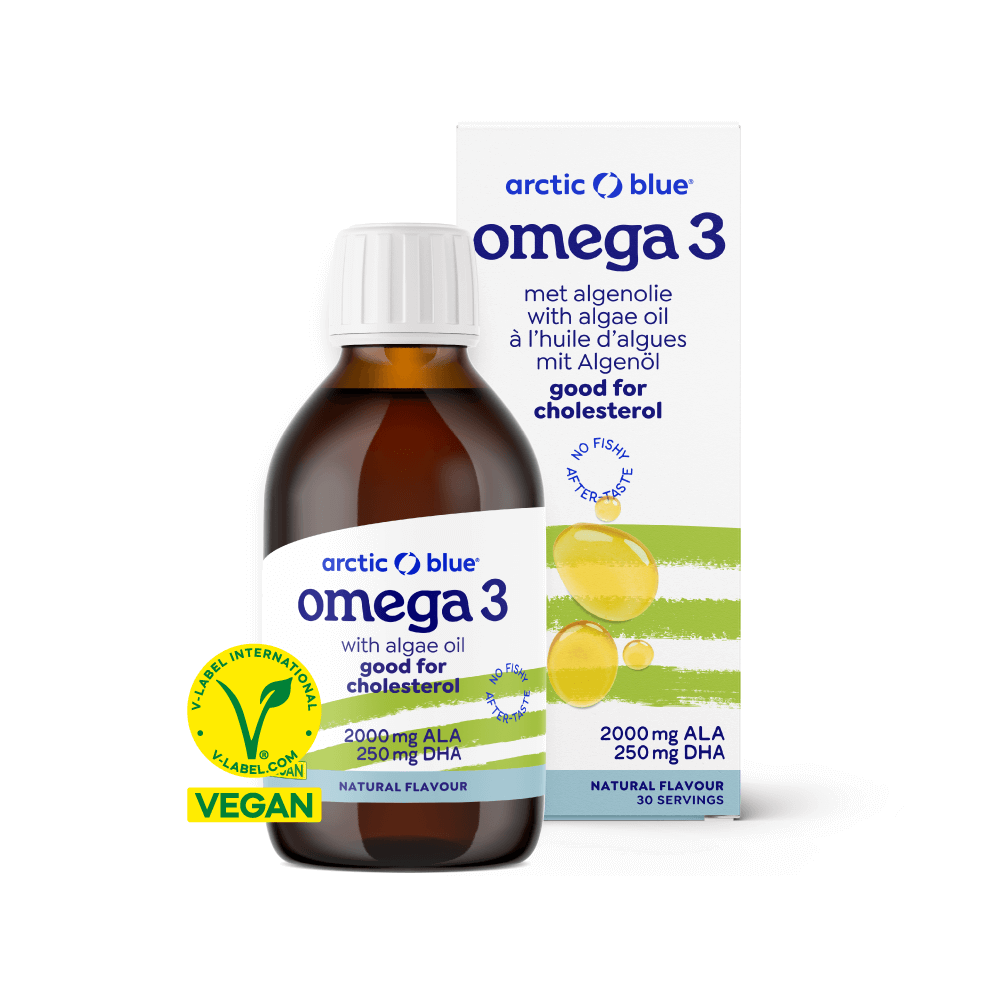
At Arctic Blue , we Arctic Blue plant-based algal oil containing EPA and DHA. You can combine this with ALA-rich foods for a more complete omega-3 profile. In some formulas, we also deliberately choose to combine algae oil with plant-based oils, such as flaxseed oil or hemp seed oil. This allows you to combine direct EPA and DHA with plant-based ALA.
Choose your sources of omega-3s carefully
A complete fatty acid profile consists of more than just ALA (alpha-linolenic acid). By consciously choosing a variety of omega-3 sources—including plant-based options as well as fish and algae—you can provide your body with the best possible support. Make sure you get enough of all three omega-3 fatty acids; consider adjusting your diet, or use the product selector to find out which omega-3 source best suits your needs.
Why Arctic Blue we at Arctic Blue a combination of all three omega-3 fatty acids?
ALA may not be the best-known omega-3 fatty acid, but that doesn’t make it any less important. ALA is also a good choice for anyone who wants to be more mindful about their diet.
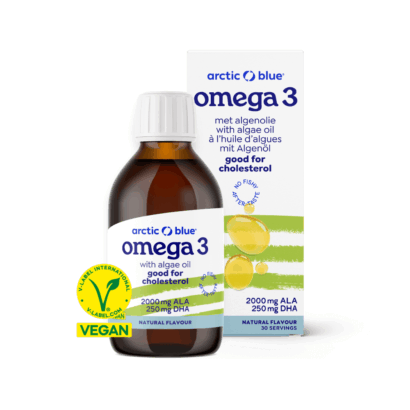
That is why at Arctic Blue , together with our nutrition scientists, we looked for a smart combination. In addition to the important omega-3 fatty acids EPA and DHA, we also wanted to include ALA. That’s how our algae oil with flaxseed oil came about: plant-based EPA and DHA from algae, combined with ALA from flaxseed oil.
We also offer a version with vitamin D and hemp seed oil. Hemp seed oil naturally contains ALA and other plant-based fatty acids, making it a great fit within a complete fatty acid profile.
These products aren’t just plant-based and natural—they’re also absolutely delicious. Add them to your yogurt for a healthy start to your day, or have a spoonful in the evening after dinner.
To make it easier to incorporate omega-3 into your daily routine, we offer flexible subscription plans. That way, you don’t have to keep reminding yourself to take it, and it’s easier to build consistency.
*Health claims approved by the EFSA. The beneficial effect on heart and brain function is obtained with a daily intake of 250 mg of EPA and DHA. The beneficial effect of ALA on cholesterol is obtained with a daily intake of 2 grams of ALA.