Lowering High Blood Pressure: 8 Lifestyle Tips for Healthy Blood Pressure
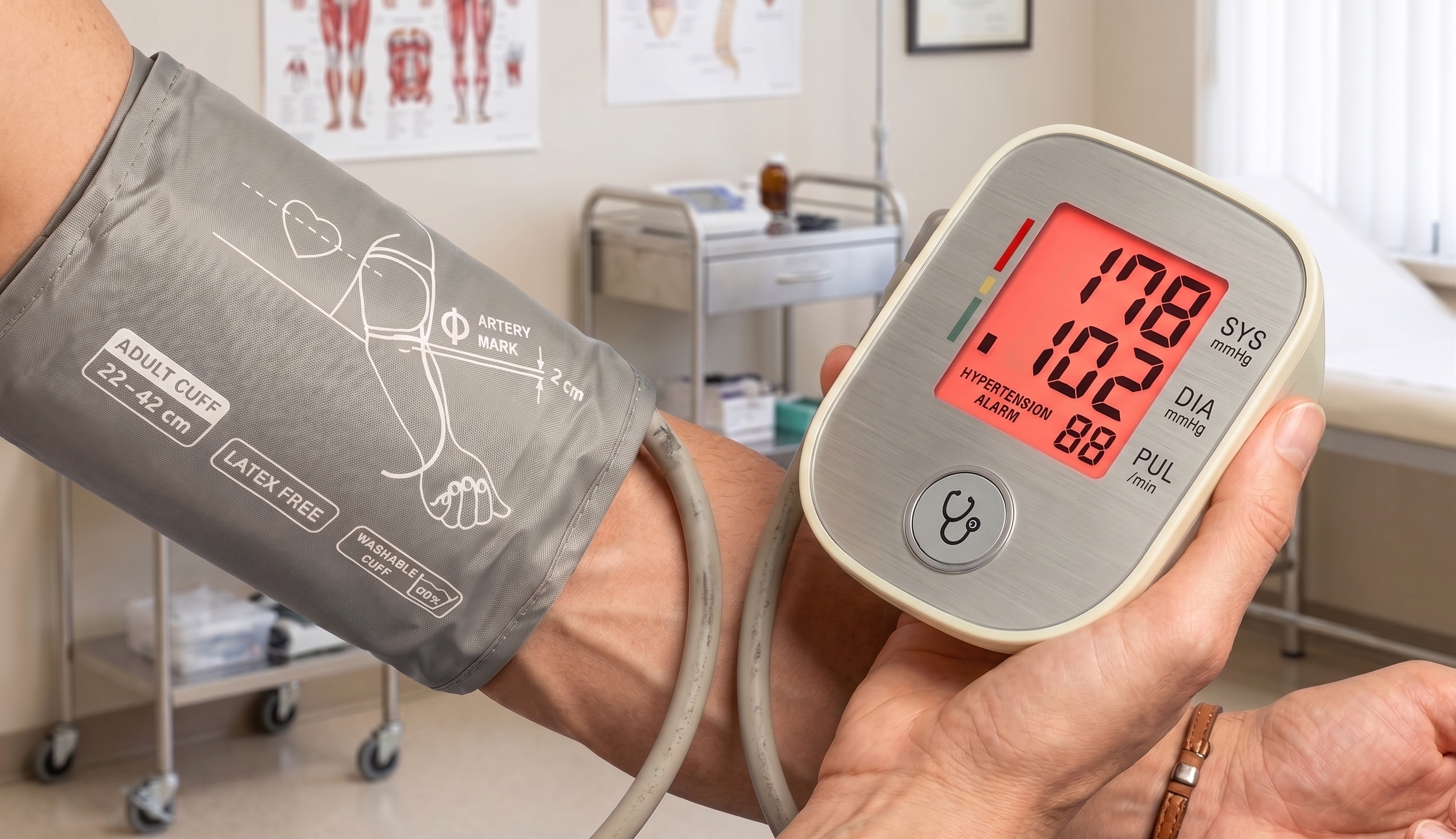
Has your doctor told you that your blood pressure is too high? You’re not alone. About 1 in 3 adults in the Netherlands has high blood pressure. The problem is that you often don’t notice it, but in the meantime, your heart is working harder than is good for you. Fortunately, there’s a lot you can do on your own to lower your blood pressure. In this blog, we share 8 practical lifestyle tips you can try. Are you taking medication for your blood pressure? Never stop taking it without consulting your doctor first.
What is high blood pressure?
Your blood pressure is expressed as two numbers, such as 140/90 mmHg. The first number is the systolic pressure (when your heart contracts), and the second number is the diastolic pressure (when your heart rests between beats).
You have high blood pressure if your blood pressure regularly exceeds 140/90 mmHg. Is your blood pressure between 120/80 and 140/90? If so, you have elevated blood pressure, and it’s a good idea to take steps to address it before it gets worse.

Important to know
Do you have high blood pressure that consistently stays above 140/90? If so, talk to your doctor about the best course of action. Is your blood pressure between 120/80 and 140/90 (prehypertension)? If so, you can start by following these lifestyle tips and keeping an eye on your blood pressure. If it remains high or you’re unsure, be sure to see your doctor. These tips are intended as a supplement, not a substitute for medical advice. Never stop taking medication without consulting your doctor.
Want to know when you have low blood pressure and what you can do about it? Then read our article on low blood pressure.
8 lifestyle tips to lower your high blood pressure
Lowering your blood pressure often starts with your daily habits. With these 8 tips, you can try to lower your blood pressure naturally.
1. Reduce your salt intake
Salt is one of the main culprits behind high blood pressure. Do you eat too much salt? If so, your body will retain fluid and your blood pressure will rise. The problem is that we often consume much more salt than we realize. Bread, cheese, deli meats, canned soup, and ready-made meals—they’re all packed with salt.
Want to lower your blood pressure? Then limit your salt intake to no more than 6 grams a day (about one teaspoon). These steps will help you do that:
- Choose fresh, unprocessed foods more often instead of ready-made meals;
- Read labels and choose products with less than 0.3 grams of salt per 100 grams;
- Try your food first before reaching for the salt;
- Replace salt with herbs and spices such as garlic, basil, or pepper;
- Pay special attention to bread: some types contain much less salt than others.
2. Get to a healthy weight
Every pound you lose can help lower your blood pressure. After all, your heart doesn’t have to work as hard to pump blood through your body. You don’t have to lose ten pounds right away; even a 5% weight loss makes a difference. So focus on small changes you can stick with: smaller portions, more vegetables on your plate, healthier snacks. Crash diets (eating very little for quick results) usually don’t work in the long run.
3. Get regular exercise
Exercise is one of the best ways to lower your blood pressure. It strengthens your heart and makes it easier for your heart to pump blood. Try to exercise for half an hour a day—it can be anything. A brisk walk, biking to work, swimming, or gardening all count. Start with 10 minutes if you’re not used to exercising, and build up slowly. Also, choose something you enjoy, because that will help you stick with it.
4. Follow the DASH diet
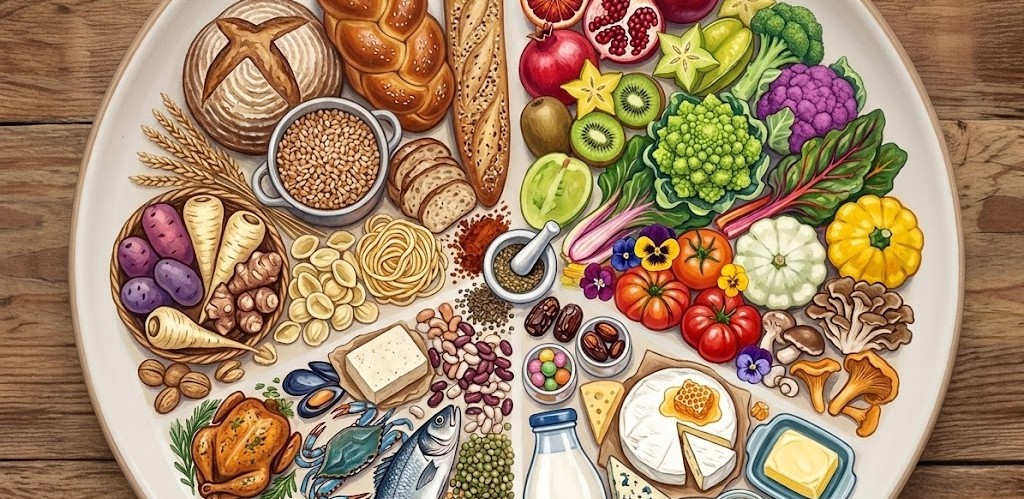
The DASH diet (Dietary Approaches to Stop Hypertension) was developed specifically to lower blood pressure. It’s simple: you eat more of the healthy foods and less of the foods that raise your blood pressure. The DASH diet consists of:
- Plenty of fruits and vegetables (4–5 servings a day);
- Whole-grain products instead of white-flour products;
- Low-fat dairy products;
- Fish, poultry, and legumes;
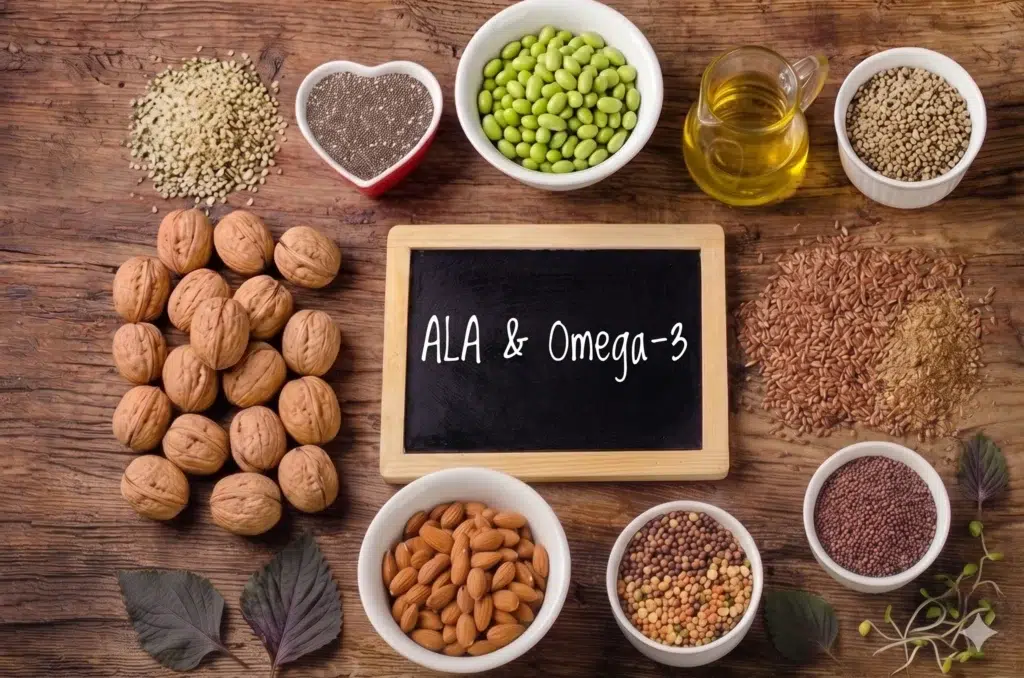
- Nuts and seeds;
- Limit red meat, sugar, and processed foods.
By eating this way, you can see your blood pressure drop within just a few weeks. The best part is that you don’t have to go hungry; you simply choose different foods.
5. Omega-3 fatty acids from fatty fish
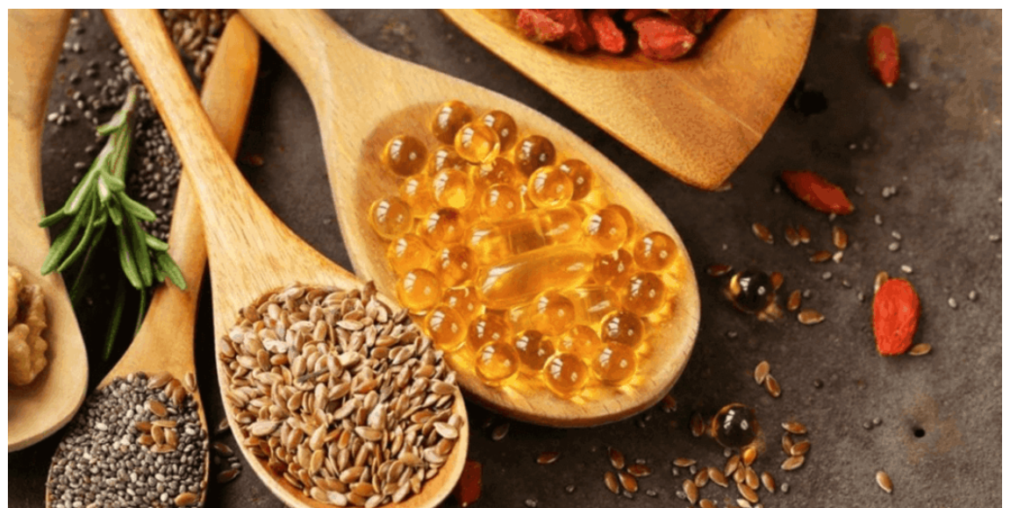
Omega-3 doesn't lower your blood pressure directly, but fatty fish such as salmon, mackerel, and herring do contain omega-3 fatty acids that have been proven to contribute to your health. EPA and DHA help maintain normal blood pressure* as part of a broader lifestyle approach. You’ll see the beneficial effect with 3 grams of EPA and DHA per day, which is about 3–4 servings of fatty fish per week. Want to know more? Read here: What is omega-3?
6. Drink less alcohol
A glass of wine with dinner can be enjoyable, but too much alcohol raises your blood pressure. So try to stick to the guidelines: no more than 1 glass a day. Even better is to schedule regular alcohol-free days. Replace alcohol with healthier alternatives such as water with a slice of lemon, tea, or non-alcoholic cocktails. You’ll notice that you feel more energetic and probably sleep better too, and both of those things are good for your blood pressure!
7. Learn to manage stress
Stress can significantly raise your blood pressure. When you’re stressed, your blood vessels constrict and your heart beats faster. This isn’t a problem in the short term, but prolonged stress keeps your blood pressure consistently too high. So look for ways to relax that work for you: walking in nature, meditating, doing yoga, or exercising. Consciously schedule moments of rest into your day and say “no” more often to things that are becoming too much for you. You don’t have to say yes to everything.
8. Make sure you get enough sleep
Not getting enough sleep has a bigger impact on your blood pressure than you might think. While you sleep, your blood pressure drops, giving your heart a chance to rest. If you don’t get enough sleep or sleep poorly, your body doesn’t get a chance to recover, and your blood pressure stays higher. So aim for 7–8 hours of sleep per night and stick to a regular sleep schedule, even on weekends. After a few weeks, your body will adjust to this rhythm, and you’ll find that you fall asleep more easily and wake up feeling more rested.
Frequently Asked Questions About High Blood Pressure
How can you tell if you have high blood pressure?
High blood pressure often doesn’t cause any noticeable symptoms for a long time. That’s why it’s sometimes called a “silent condition.” Some people experience headaches, dizziness, fatigue, or heart palpitations, but often you don’t notice anything. That’s exactly why it’s a good idea to have your blood pressure checked every now and then.
When is your blood pressure too high?
High blood pressure is usually diagnosed when your blood pressure regularly exceeds 140/90 mmHg. If your blood pressure is between 120/80 and 140/90, this is considered elevated blood pressure. In that case, it may be a good idea to pay closer attention to your lifestyle. If you have any concerns, always contact your doctor.
What can you do to lower your blood pressure?
Improving your blood pressure often starts with daily habits. Eating less salt, getting enough exercise, maintaining a healthy weight, sleeping well, and reducing stress can all help. Quitting smoking and limiting alcohol consumption are also important steps toward a healthy heart and healthy blood vessels. It’s important to note, however, that in addition to lifestyle, other factors can influence your blood pressure, such as your age, medication, genetics, or other underlying conditions.
In conclusion: Lowering your blood pressure is a process of small steps
Lowering your blood pressure naturally starts with making conscious choices. Cutting back on salt and eating healthier can make a difference in just a few weeks. After a month or two, you may start to notice a change. It is something you need to keep paying attention to, but try not to be too hard on yourself. It’s the small, achievable changes that you stick with that can make a big difference in the long run. Check your blood pressure every now and then to keep track of your progress. The most important thing is to take high blood pressure seriously and take action. Your heart will thank you!

Arctic Blue: Omega-3 for Your Daily Blood Pressure Routine
Maintaining healthy blood pressure starts with the basics: eating well, getting enough exercise, relaxing, and taking good care of yourself. Omega-3 fits perfectly into this daily routine, especially if you’re actively looking out for your heart and blood vessels.
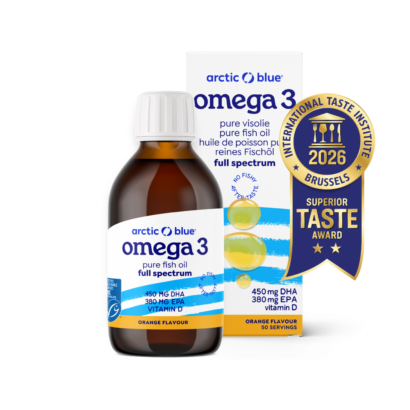
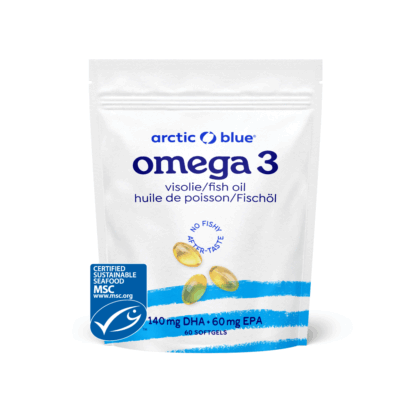
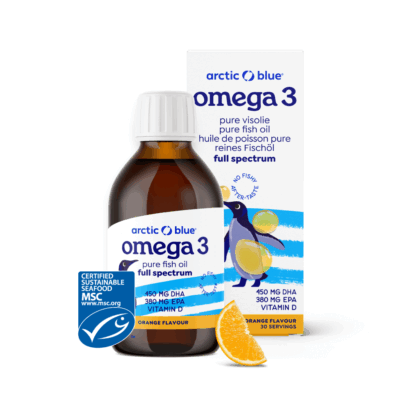
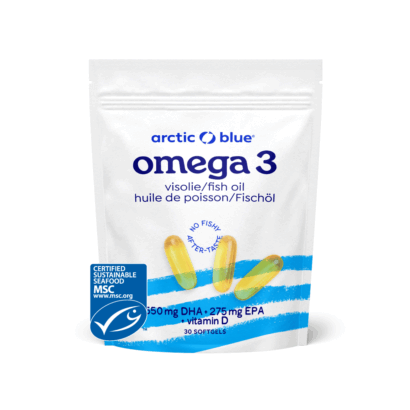
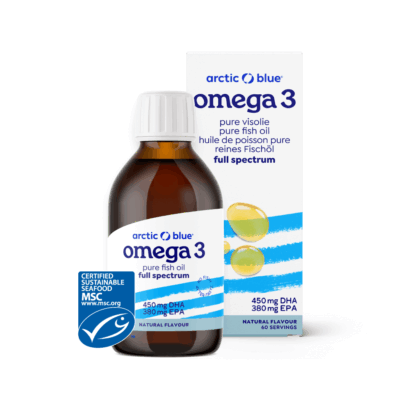
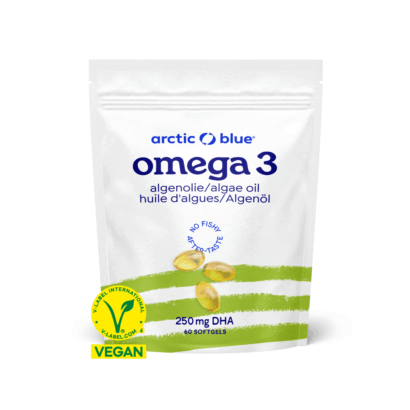
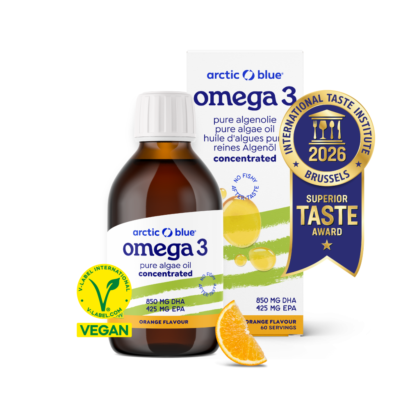
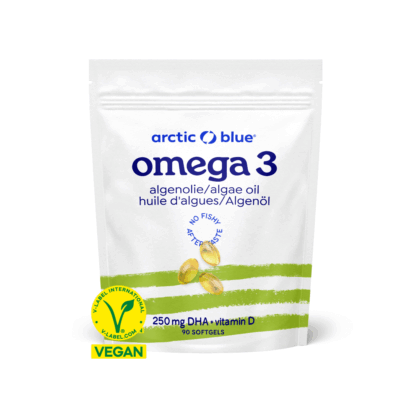
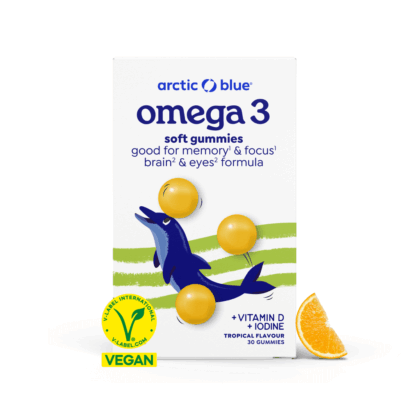
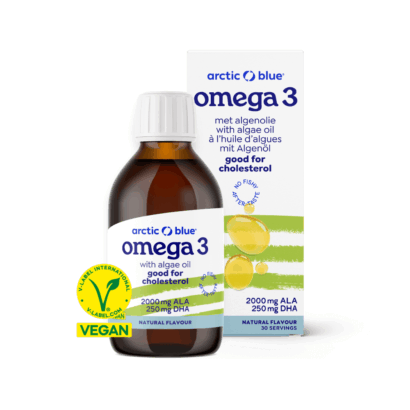
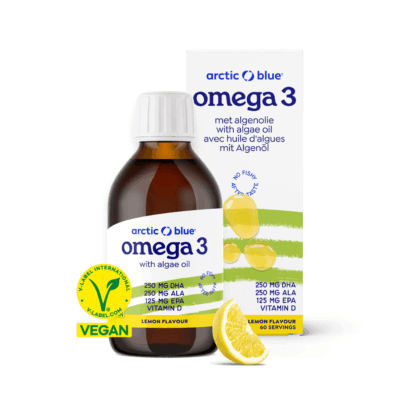
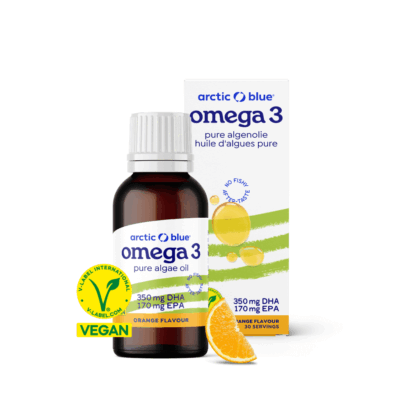
Our nutrition scientists are working hard to develop high-quality supplements that can support you in maintaining a healthy lifestyle. For example, at Arctic Blue , we make Arctic Blue products containing easily absorbed EPA and DHA from MSC-certified fish oil or plant-based algae oil.
EPA and DHA help maintain normal blood pressure* and also support normal heart function**. Whether you choose fish oil or algae oil, our flexible subscription plans make it easy to incorporate omega-3 into your daily routine. This way, you can take a little better care of yourself and your heart every day.
*Health claim approved by the EFSA. The beneficial effect of omega-3 fatty acids on blood pressure is obtained with a daily intake of 3 grams of EPA and DHA. The combined daily intake of EPA and DHA should not exceed 5 grams.