How do you choose the best omega-3 supplement?

Are you looking for an omega-3 supplement but not sure which one to choose? That’s understandable, because there are so many options these days. Capsules, liquid oil, gummies—and then there’s fish oil and plant-based options too. Which one works best? And which one is right for your needs? In this blog, we’ll walk you through the process step by step to help you find the best omega-3 supplement.
After reading this blog, would you prefer some more personalized advice? Then try our product selector or feel free to contact our customer service team. We’d be happy to help you find the right solution.
Fish oil or algae oil: what's the difference?
The first question you're probably asking yourself: Should I take fish oil or algae oil ? The short answer: both contain the same important omega-3 fatty acids (EPA and DHA). The difference lies in the source.
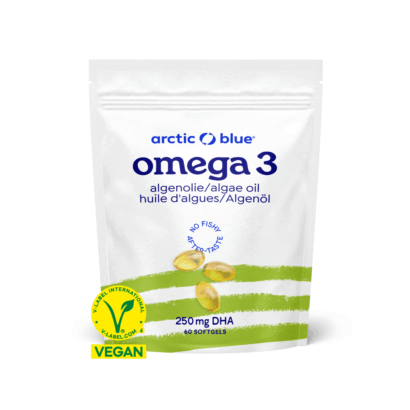
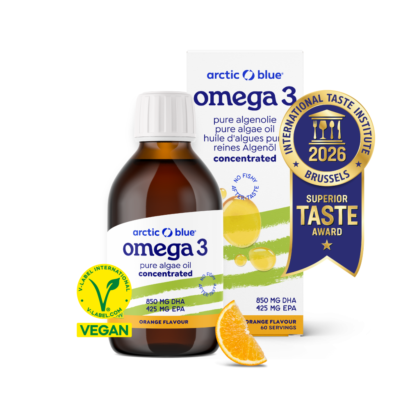
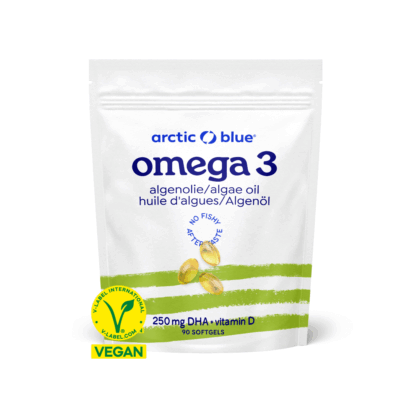
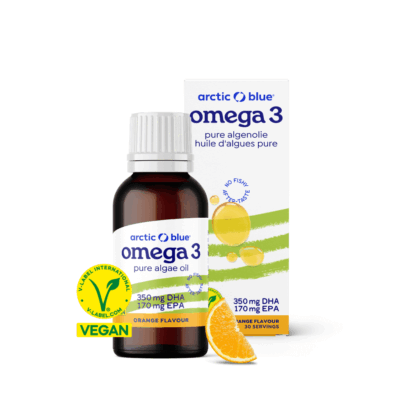
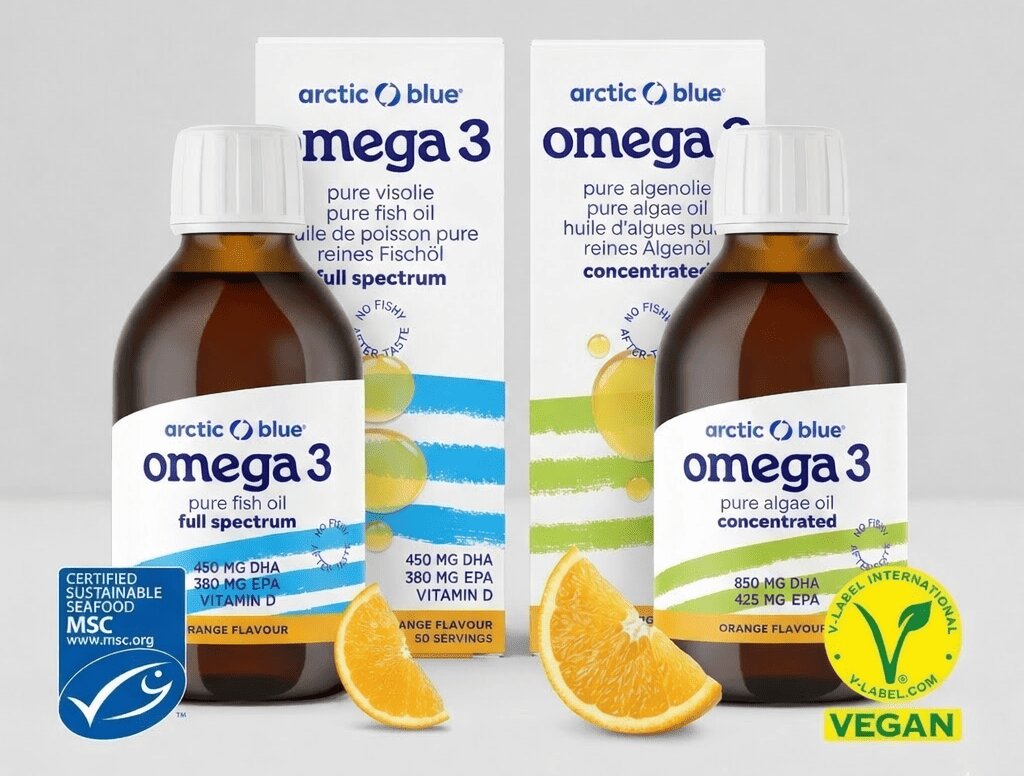
- Algae oil goes straight to the source: the algae themselves. The algae are specially cultivated for the production of omega-3. This gives you the same omega-3 fatty acids (EPA and DHA) as in fish oil, but 100% plant-based.
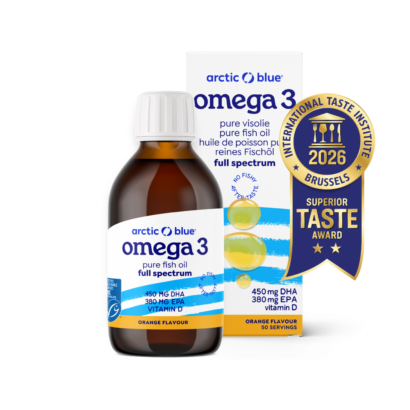
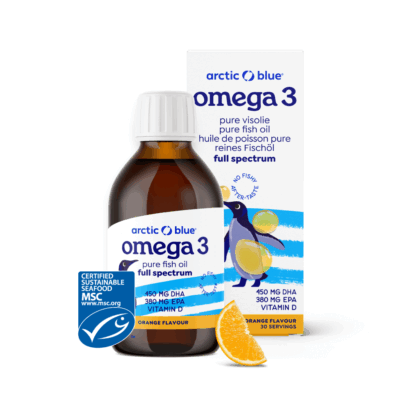
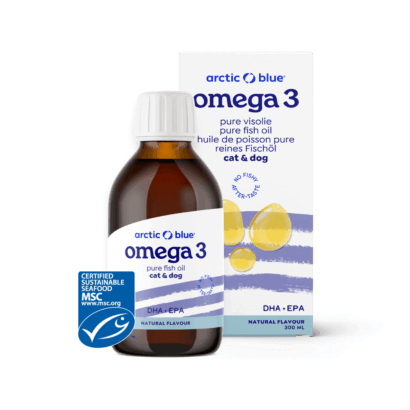
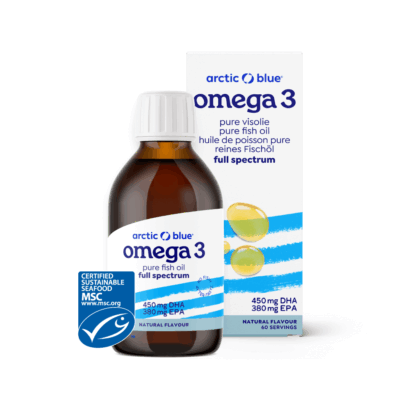
- Fish oil comes from fish such as cod, salmon, or herring. Arctic Blue is made from fresh Norwegian cod that is processed within 24 hours in cold northern Norway. This keeps the omega-3 fresh. It has the MSC label, which means the fish was sustainably caught. The omega-3 contains a natural full-spectrum fatty acid profile that your body absorbs well.
If you'd like to choose this option, please read: What should you look for when buying omega-3 fish oil?
Would you prefer omega-3 capsules or liquid oil?
Now that you know that omega-3 can come from both fish oil and algae oil, the next question is: should you choose capsules or liquid oil? Again, there’s no right or wrong answer. It mainly depends on what you prefer and what fits into your daily routine.
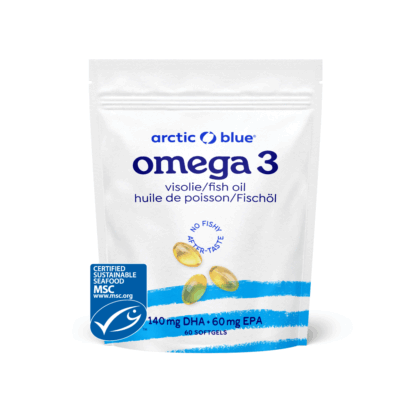
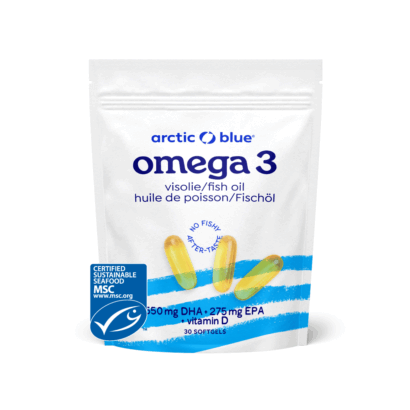
Capsules are easy to use. Just swallow them with a little water, and you’re done. They’re also convenient for when you’re on the go, and you can’t taste them at all. Do you have a sensitive stomach or suffer from heartburn? If so, capsules are often gentler. We offer both algae oil capsules and fish oil capsules containing EPA and DHA. When the oil is of high quality, the absorption and health benefits are the same as those of liquid oil.
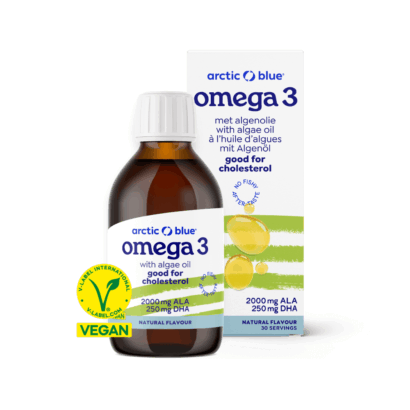
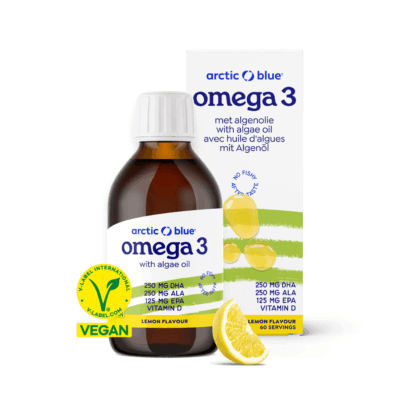
One advantage of liquid oil is that you can easily adjust the dosage. This is handy if you want to take a higher dose, or if you prefer to mix the oil into yogurt, a smoothie, or oatmeal. At Arctic Blue , you Arctic Blue choose between liquid fish oil or liquid algae oil. The liquid fish oil has a mild orange or lemon flavor and, thanks to its fresh processing, has a light and refreshing taste. The liquid algae oil has a delicious orange flavor and a high concentration of EPA and DHA.
Do you have children ages 1 and up? Then the dropper bottles are handy. 20 drops provide a good daily dose of omega-3 for young children, and you can simply mix it into their food or drink.
Are omega-3 gummies a good alternative?
Maybe you've already seen them: omega-3 gummies. They look like candy and have a nice, refreshing taste. But do they actually work?
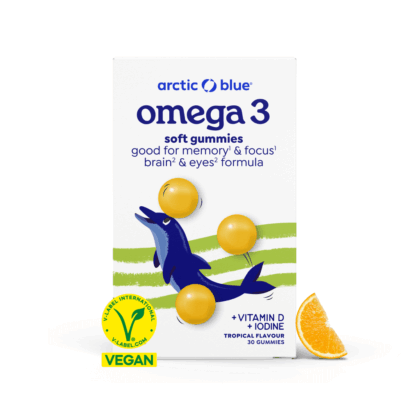
Many omega-3 gummies are mostly sugar and contain very few active ingredients. This means you’re getting hardly any omega-3. Arctic Blue solved this problem with special emulsion technology. Each gummy contains a whopping 250 mg of DHA and 70 mg of EPA—that’s five times more than other brands.
The gummies are sugar-free and made with xylitol derived from the Finnish birch tree. This makes them tooth-friendly and suitable for people with diabetes. They have a delicious strawberry-citrus flavor and no fishy taste. This makes them ideal for children ages 3 and up, as well as for adults who prefer a tasty way to get their omega-3s.
Want to know more? Then read why omega-3 gummies are becoming increasingly popular.

What else should you look for in an omega-3 supplement?
Now you know which type of omega-3 is right for you. But how do you recognize a good product? Not all omega-3 supplements are of the same quality. Here are the key points to look out for.
View the dosage
EPA and DHA are good for the heart when taken daily at a dose of 250 mg.* DHA is good for the brain and helps maintain normal vision at a dose of 250 mg per day.* So check how much EPA and DHA is in each serving. If the label only says “omega-3” without further details, you won’t know what you’re getting.
Check for freshness
Omega-3 fatty acids are sensitive. As they age, they develop a rancid fishy taste. Arctic Blue the fish within 24 hours in cold northern Norway. This keeps the omega-3 fatty acids fresh. Does your supplement have a strong fishy smell? If so, it’s probably no longer very fresh.
Search for quality labels
The MSC label indicates that the fish was caught sustainably. The Vegan label on algae oil guarantees that it is 100% plant-based. These labels give you assurance about the origin and quality.
Pay attention to the shape
Many inexpensive omega-3 supplements use ethyl esters. These are chemically processed omega-3 fatty acids that your body has a harder time absorbing. Arctic Blue triglycerides—the natural form found in fish and algae.
Be aware of the side effects
Side effects of omega-3 supplements are rare and usually mild. Many symptoms that resemble side effects—such as belching, a strong fishy taste, or gastrointestinal discomfort—may also be related to the quality and freshness of the oil. Some fish oil on the market is oxidized, which can irritate the stomach. With pure, fresh omega-3, the likelihood of these types of symptoms is usually lower.
Do you have a fish allergy? If so, you should be careful with fish oil. Algae oil does not contain fish and can therefore be a suitable plant-based alternative.
Vitamin D
Some omega-3 supplements contain vitamin D in addition to EPA and DHA. This can be helpful, because many people in the Netherlands could use some extra vitamin D, especially in the fall and winter or when you don’t spend much time outdoors. Vitamin D supports the normal functioning of the immune system and helps maintain strong bones and muscles.* Want to know more? Read more about vitamin D.
Omega-3 supplements for pregnancy
Are you pregnant or breastfeeding? If so, omega-3 is especially important. A mother’s intake of DHA contributes to the normal development of her baby’s brain and eyes.* That’s why you need more omega-3 than usual: in addition to the standard 250 mg of EPA and DHA, you need an extra 200 mg of DHA per day.
Arctic Blue several products that are perfect for this. The fish oil with vitamin D and the algae oil containing DHA and EPA not only provide sufficient omega-3, but also vitamin D. This is beneficial because vitamin D is important for strong bones and a healthy immune system during pregnancy.
Want to learn more? Read about the use of omega-3 (fish oil) during your pregnancy.
At a glance: the best omega-3 supplement for you
The most important thing is to find an omega-3 supplement that works for you and that you can stick with. Because only then will you get the most out of the benefits of omega-3 for your heart, brain, and eyes! Here’s a quick overview.
Choose fish oil if you:
- You just eat fish and have no problem with it;
- Are you looking for the most natural form?
- Prefers the MSC label.
Choose algae oil if you:
- Eats a vegetarian or vegan diet;
- You don't want to or can't use fish;
- Looking for a 100% plant-based supplement.
Choose capsules if you:
- Want a quick and easy way to get your omega-3s?
- Whether you're on the go or planning a trip;
- You have a sensitive stomach.
Choose liquid oil if you:
- You want to be able to adjust the dosage flexibly;
- that you want to mix with food or drink;
- A more cost-effective option is available at higher dosages.
Choose gummies if you:
- Having trouble swallowing;
- Looking for a tasty way to get your omega-3s;
- There are kids who don't like taking capsules.

Arctic Blue you choose the right omega-3 option
We believe that every customer has their own story. That’s why the same omega-3 product isn’t right for everyone. Some prefer fish oil, while others prefer plant-based algae oil. And while some like capsules, others prefer liquid oil or gummies.
That’s why we at Arctic Blue offer Arctic Blue wide range of omega-3 products, developed with the expertise of our nutrition scientists. After reading the tips above, you may already have a better idea of which option is right for you. Still not quite sure? Then try our product selector or contact contact our team. We’d be happy to help you with personalized advice and our expertise in omega-3.
Want to learn more about our mission and approach? Read more about Arctic Blue.
* EFSA-approved health claims: The beneficial effect is obtained with a daily intake of 250 mg of EPA and DHA (heart), 250 mg of DHA (brain and vision), and an additional 200 mg of DHA for pregnant or breastfeeding women (fetal development)